
Trends in fashion come and go every season, but Louis Vuitton has sat at the top of the luxury market for years without much interruption. It's not luck. It's the result of a specific combination of history, control, and reinvention that most brands can't fully copy, even when they try. Here's what actually built that lead, and why it matters if you own a piece.
A 170-Year Head Start Most Brands Can't Buy
Louis Vuitton opened his workshop in Paris in 1854 making trunks for wealthy travelers, decades before "luxury brand" was even a category businesses thought about the way they do now. That kind of heritage can't be manufactured or marketed into existence. Every collection the house releases today is still selling partly on the weight of that history.
The Monogram That Solved Its Own Counterfeiting Problem
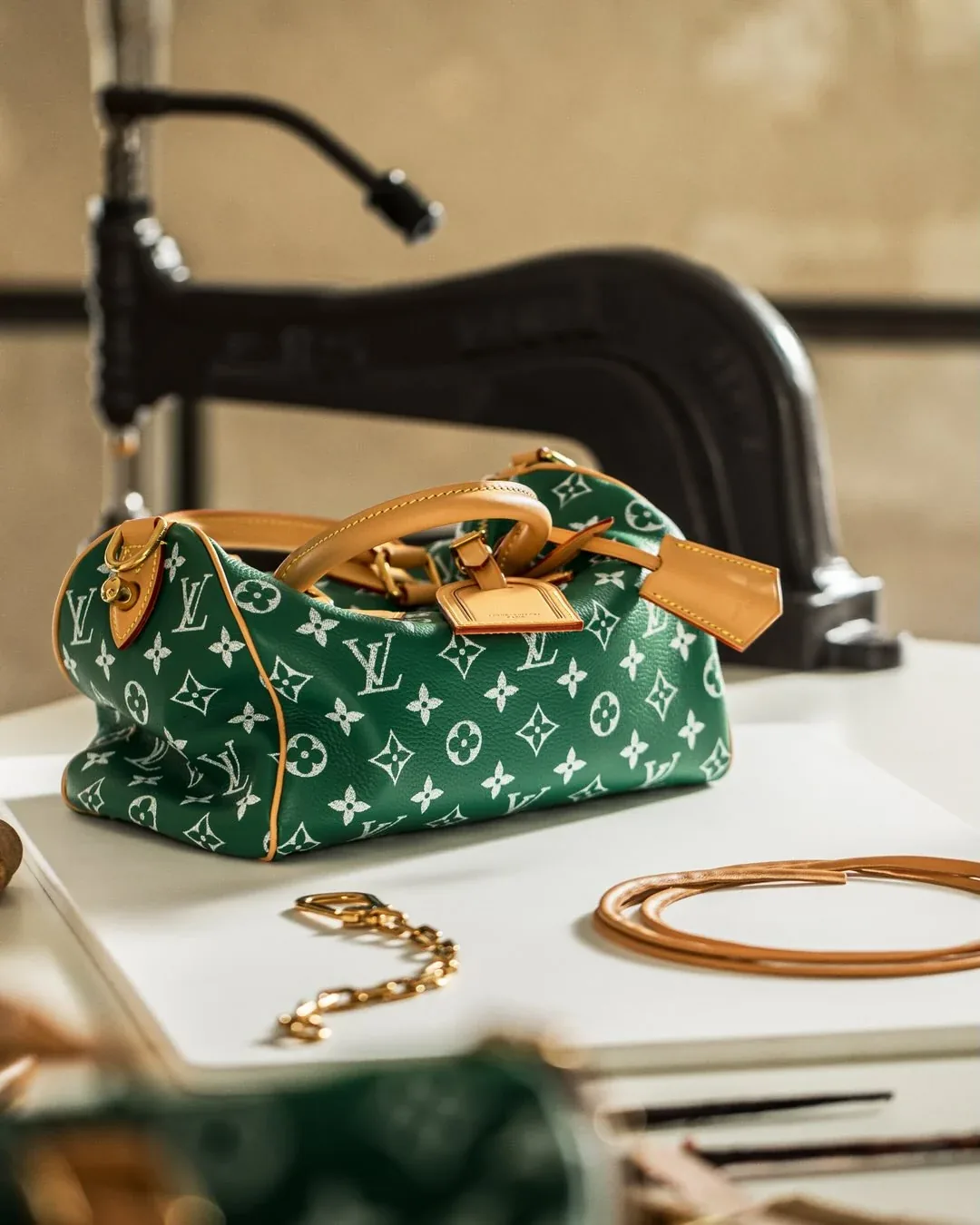
In 1896, Louis Vuitton's son introduced the now-iconic monogram canvas, originally created specifically to make the brand's pieces harder to counterfeit. It ended up doing something bigger: it became one of the most recognizable patterns in the world, instantly identifiable from across a room. That kind of built-in brand recognition is nearly impossible for a newer label to replicate.
Backed By the Biggest Luxury Group In the World
Louis Vuitton is the flagship brand of LVMH, the largest luxury conglomerate on the planet, which controls roughly a quarter of the entire personal luxury goods market. That backing means Louis Vuitton can fund flagship stores, control its own supply chain, and never have to discount the way smaller brands sometimes do just to move inventory.
Constant Reinvention Without Losing the Core
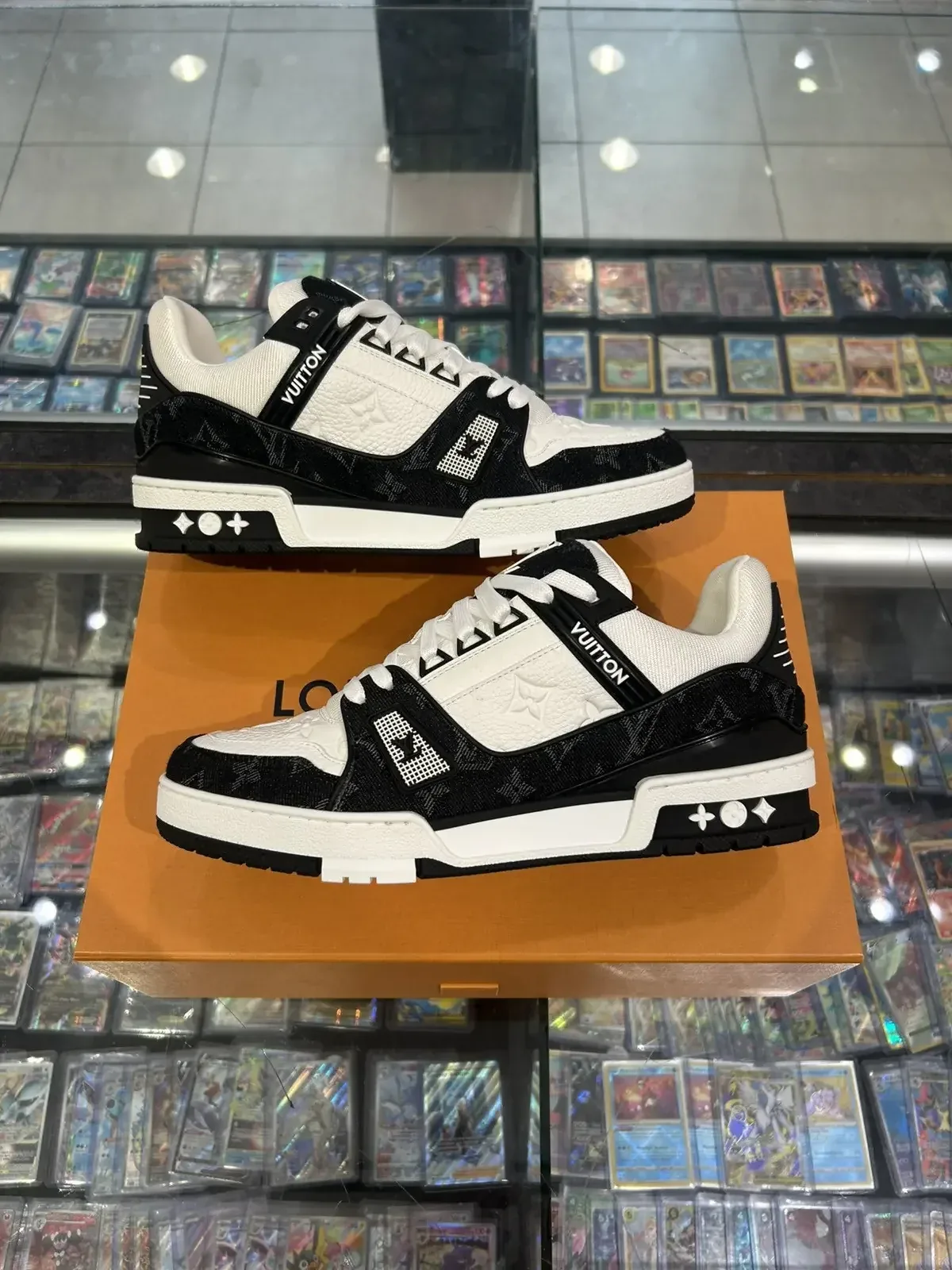
Instead of standing still on leather goods, Louis Vuitton keeps expanding into new categories, sneakers like the LV Trainer, ready-to-wear, jewelry, and watches, while keeping the same monogram and quality standards running through everything. Limited colorways and collaborations, like the green monogram pieces pictured above, keep longtime collectors and new buyers both paying attention to every release.
Why Resale Values Stay So Strong
Louis Vuitton rarely marks items down and doesn't overproduce the way many fashion brands do, so secondhand demand almost always outpaces what's actually available. Add a recognizable monogram, consistent quality control, and genuine collector demand, and you get a brand whose resale prices hold up far better than most of the market.
How We Check and Price Louis Vuitton
Whether it's a monogram bag, luggage, or a pair of LV Trainers, we check the date code, stitching and thread color, hardware weight, canvas texture, and overall construction before making an offer. Once we've confirmed it's genuine, we pay cash on the spot.