
Engagement Rings
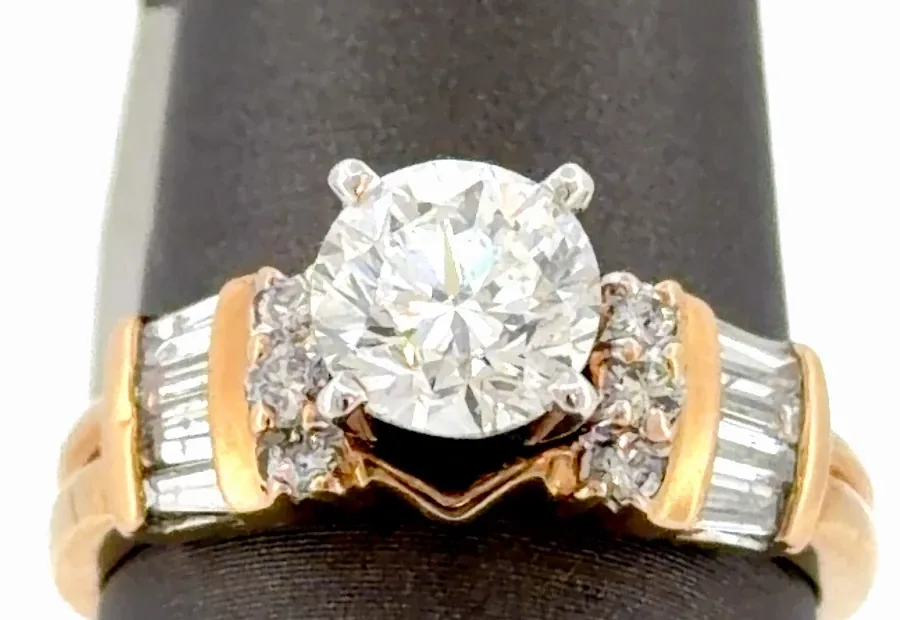
The single most common piece that comes through the door. The center stone, side stones and setting are each valued separately, halos and pavé included.

Diamond Buyer · East Village
Engagement rings, loose stones and inherited jewelry, certified or not. We grade it in front of you, explain what we’re seeing, and pay cash the same day at 39 Avenue A in the East Village.
What We Buy
Loose stones, set stones and whole estate boxes, certified or not. Bring them in however you have them stored. No explanation required, and nobody here is going to ask for one.
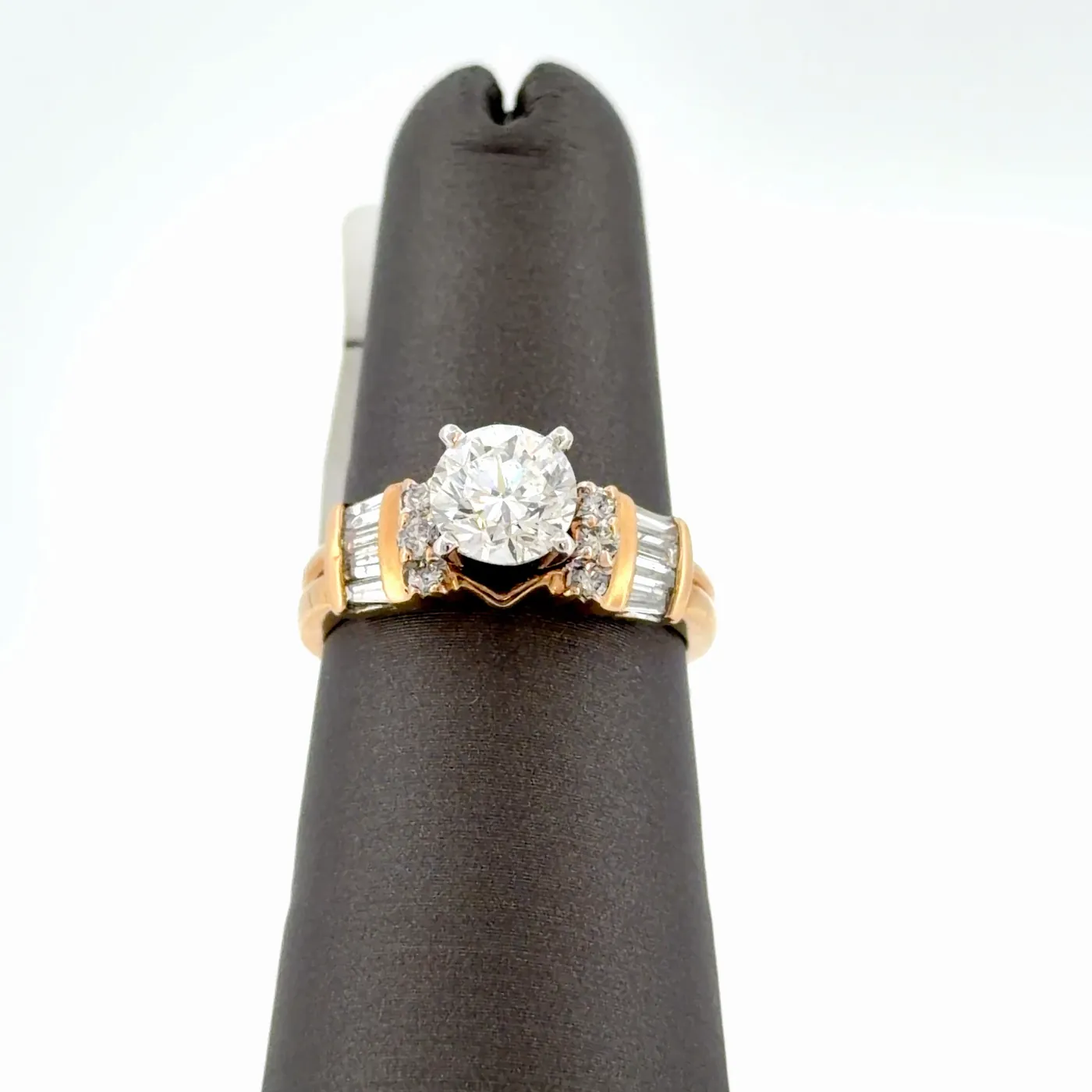
The single most common piece that comes through the door. The center stone, side stones and setting are each valued separately, halos and pavé included.
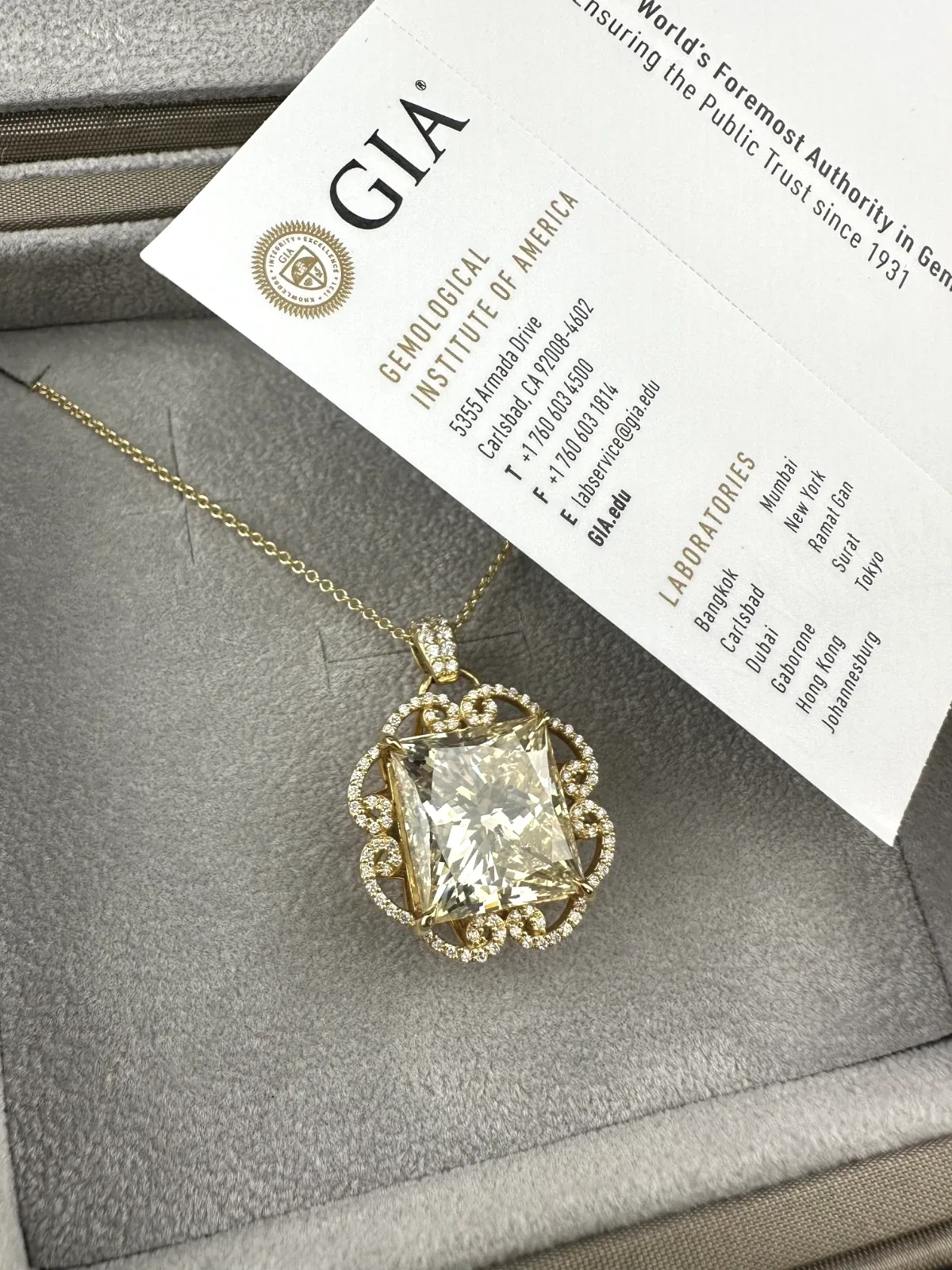
Loose stones are easier to grade accurately, since nothing is hidden by a setting. A GIA certificate makes the conversation faster, but it isn’t required.
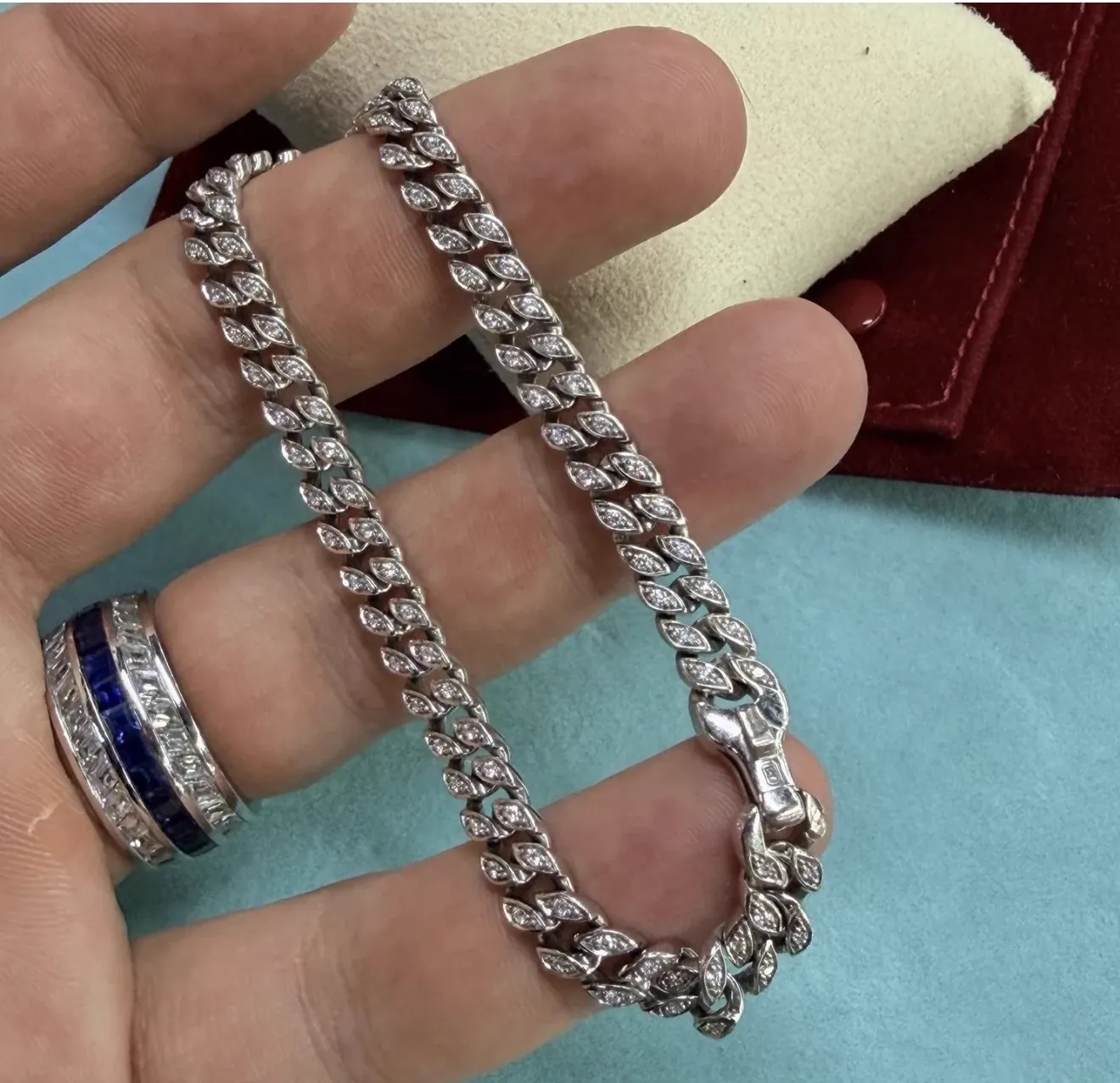
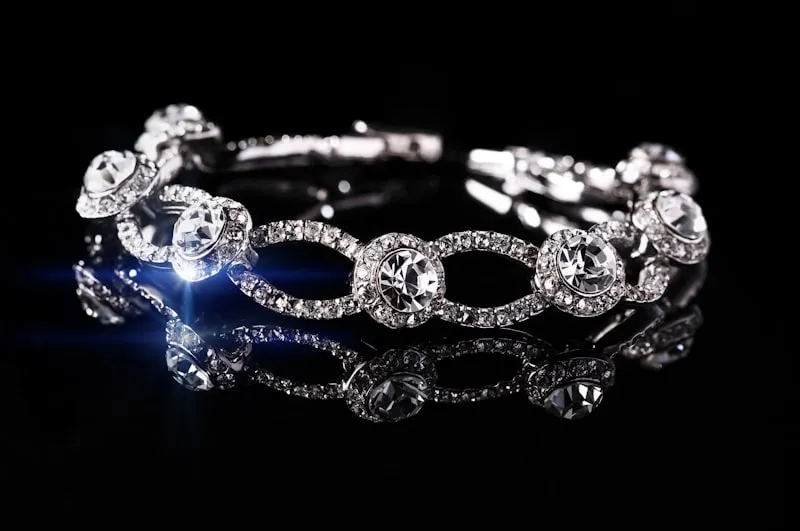
Tennis, Cuban link and bangle bracelets. Valued on total carat weight plus the quality of the individual stones, not just the piece overall.
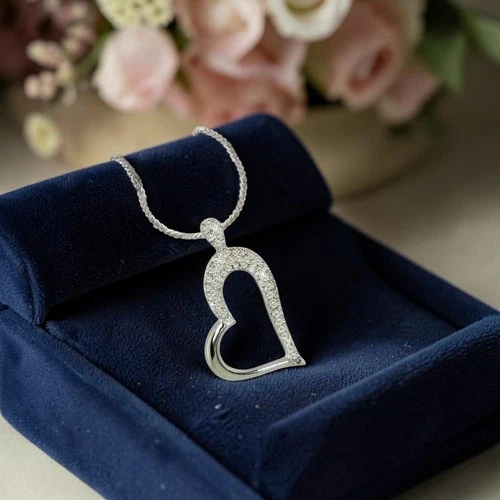
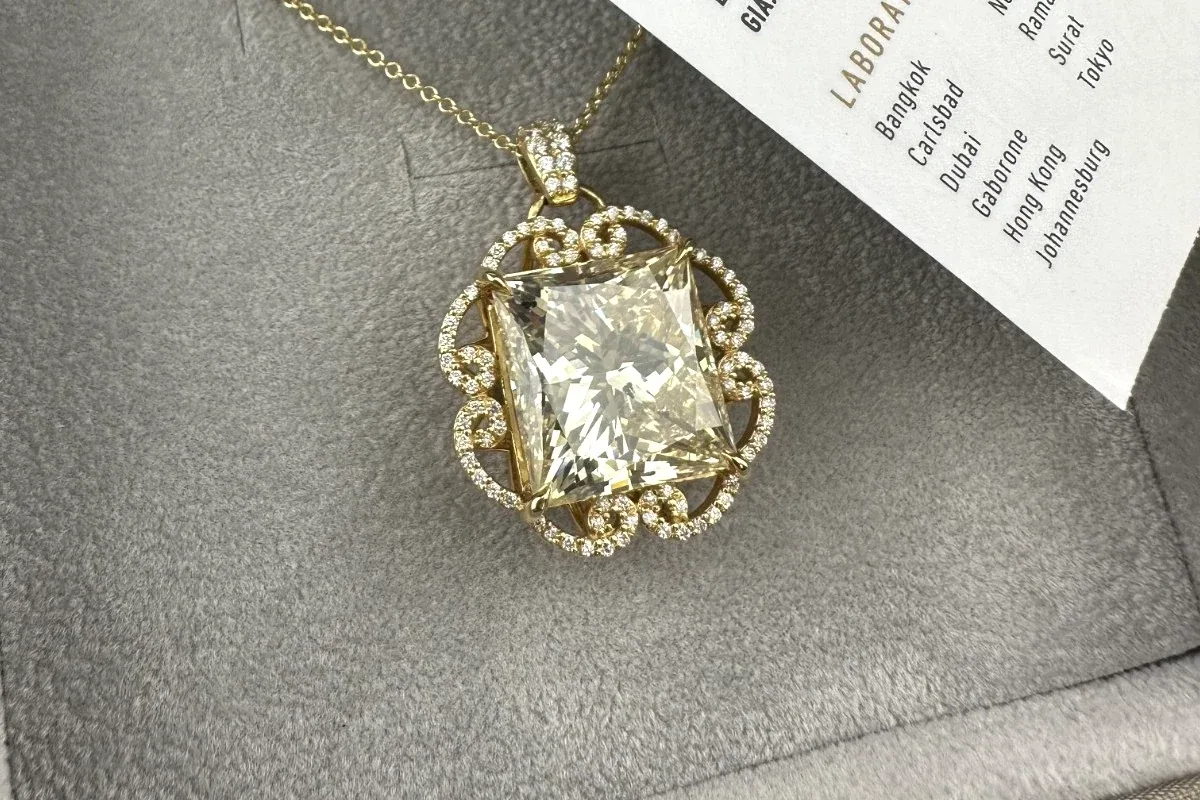
Tennis necklaces and diamond pendants. Like bracelets, they’re valued on total carat weight plus the quality of each individual stone.
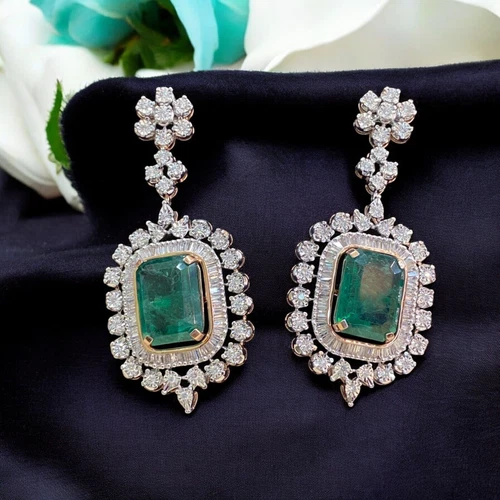
Studs, drop earrings and diamond hoops. A single diamond stud is valued on its diamond and its gold, so one earring still counts.
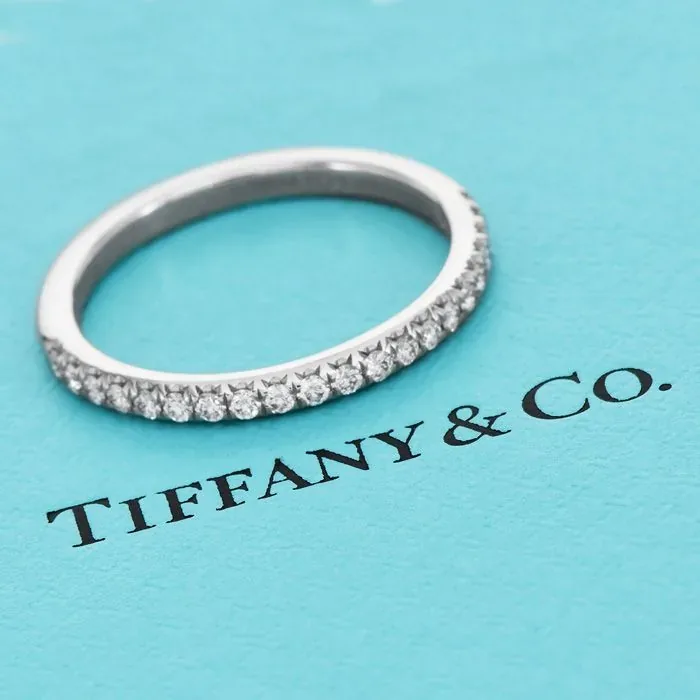
Tiffany, Cartier, Van Cleef and similar houses carry a premium above stone value when the piece is genuine. Original boxes and papers help but aren’t required.

Older cuts like European, Old Mine and transitional are graded differently than modern brilliants, and we price them on their own terms. Clearing a whole box works too.
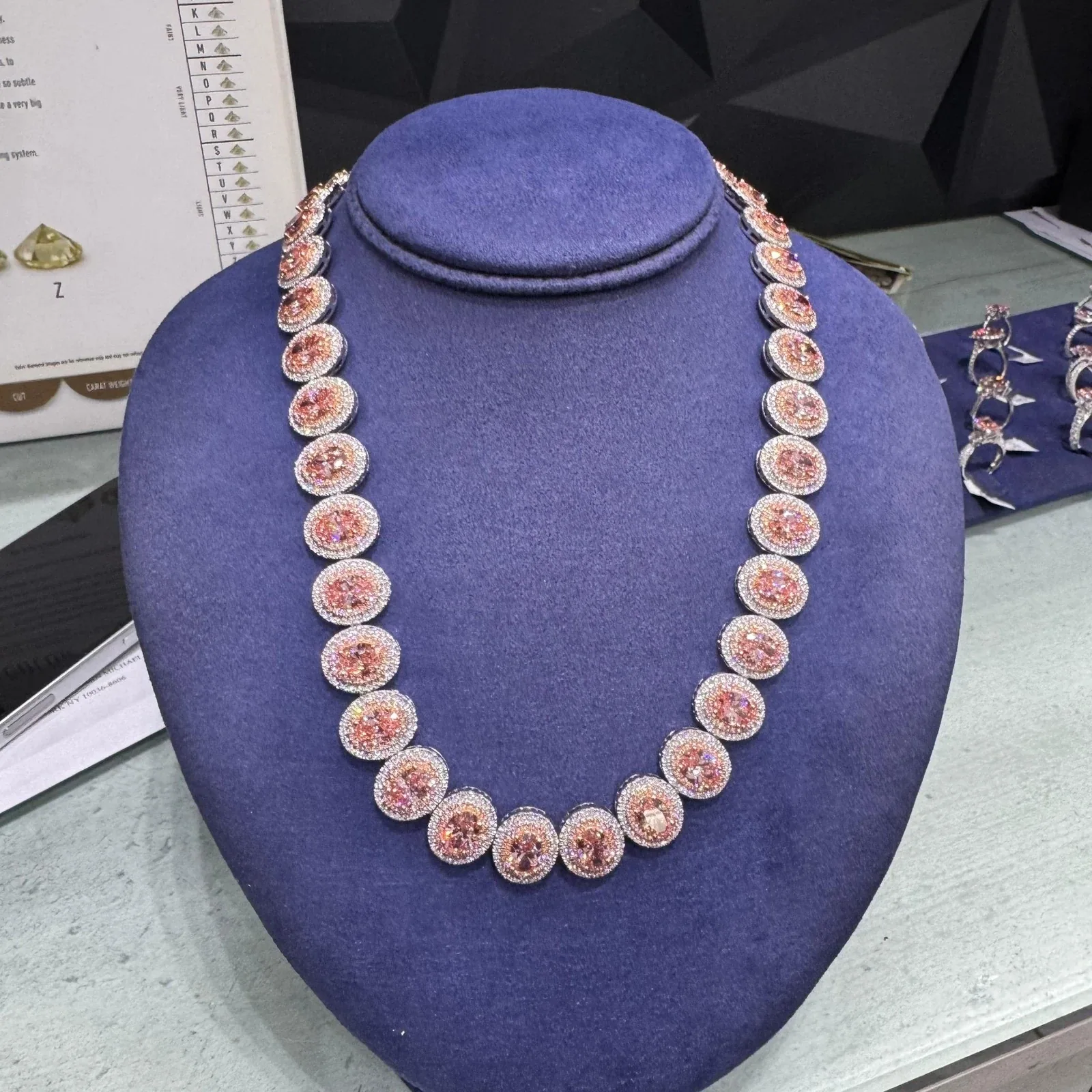
We buy them too, though lab-grown stones resell for considerably less than natural diamonds of the same size and grade. We’ll tell you honestly which one you have.
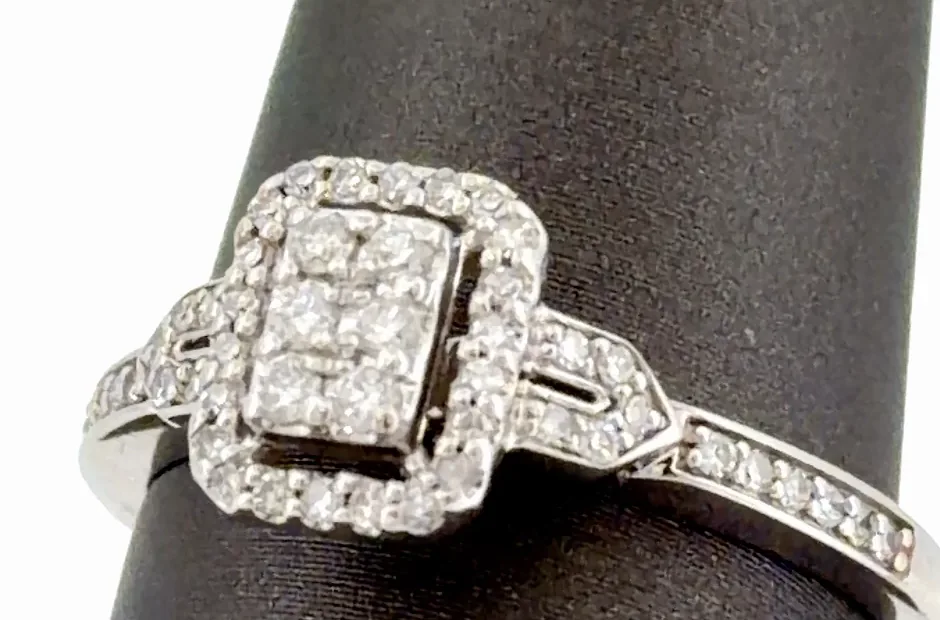
A chipped setting or an out-of-style mount doesn’t hurt the diamond itself. The stone is usually where most of the value sits.
Also buying: Gold Platinum Silver All jewelry Watches
How It Works
Nothing leaves your sight. This is the process we run on every stone, out loud, at the counter.
Free to test, no obligation to sell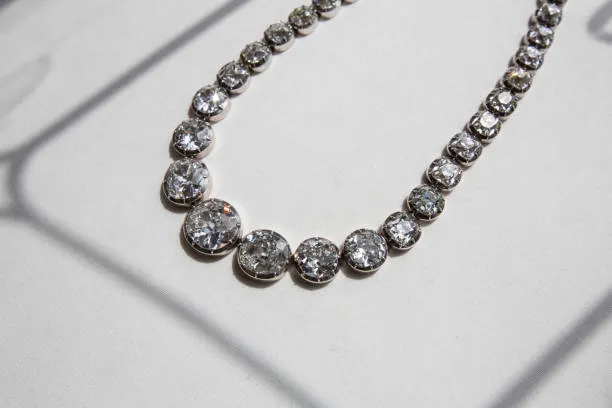
The stone stays on the counter where you can see it. We check it under a 10x loupe and say out loud what we’re seeing, including any chips or damage.
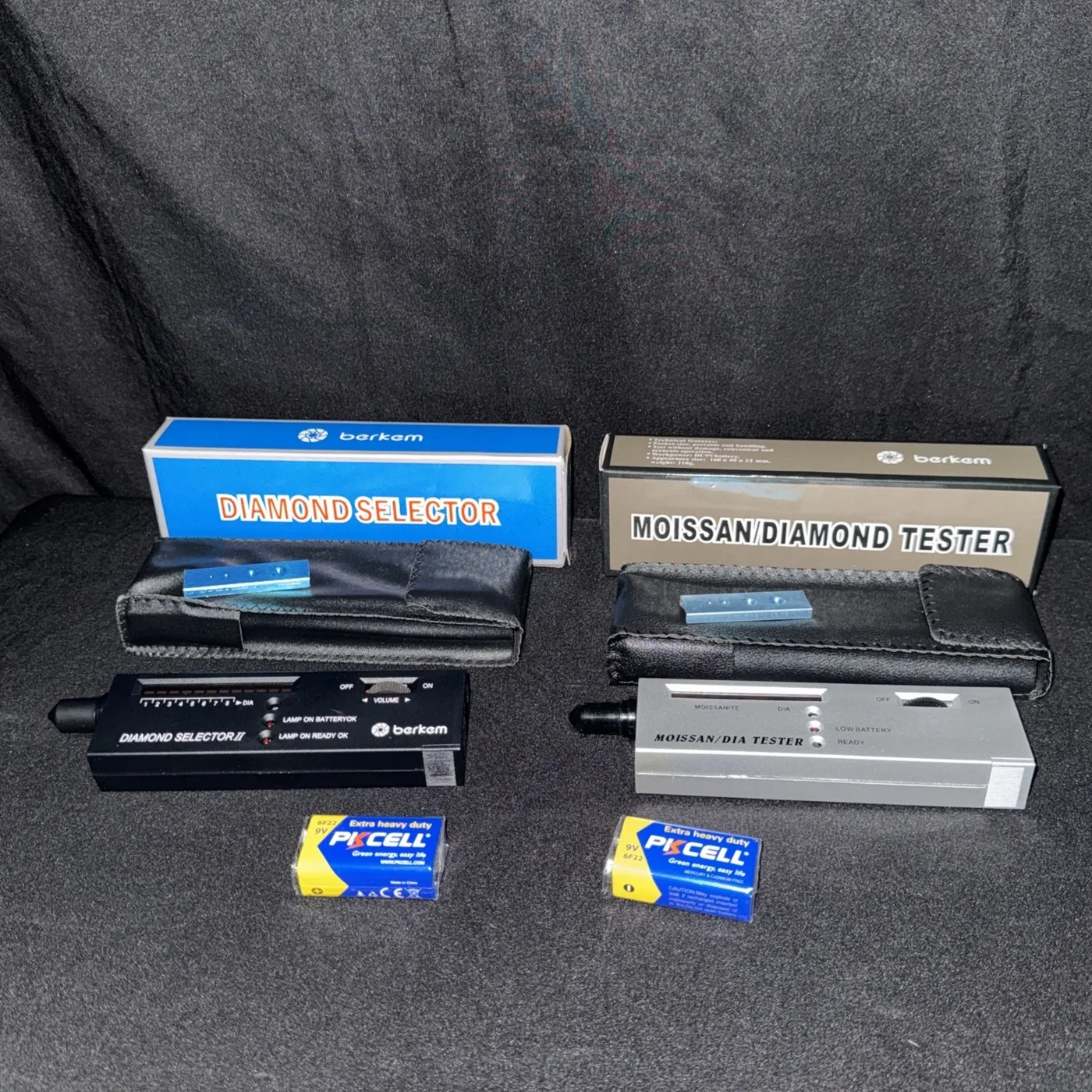
Diamond and moissanite testers separate a real diamond from glass, cubic zirconia, white sapphire and moissanite. You watch every reading.
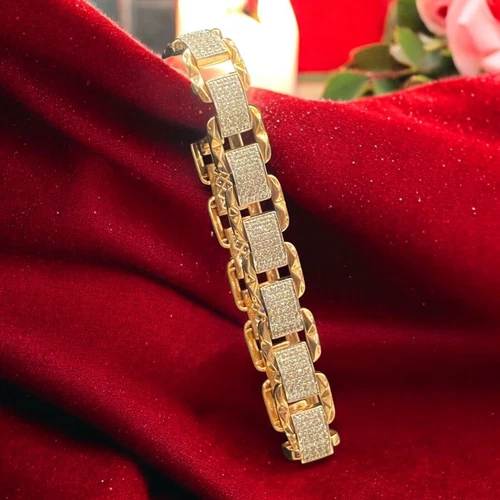
Testers alone can’t tell natural from lab-grown, so we look closer with the loupe and UV light and read any grading report. Then we tell you honestly which one you have.
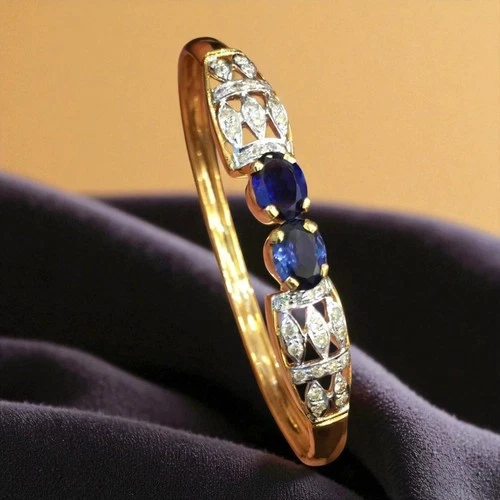
We walk you through cut, color, clarity and carat weight, value the setting on its own, and explain the number. Accept it and you’re paid before you leave.
Good To Know
Most people who sell us a diamond have never done it before, and a lot of them arrive convinced they’re about to get taken advantage of. Fair enough — the diamond trade has earned that reputation. So we do it the opposite way: the stone stays on the counter where you can see it, we say out loud what we’re looking at through the loupe, and you hear the reasoning behind the number before the number ever comes up.
If you walk out without selling, that’s a completely normal outcome and it costs you nothing. Plenty of people come in just to find out what they actually have.
How We Price It
Diamonds don’t have a spot price the way gold and silver do. Two stones of the same carat weight can be worth wildly different amounts, so every piece has to be looked at on its own.
Matters, but not on a straight line. Value climbs sharply at the round numbers buyers ask for, so a stone just under 1.00ct is worth noticeably less than one just over.
The one most people underestimate. A well-cut stone returns light far better than a poorly cut one of identical weight and color, and that difference is visible across the counter.
Set the grade range. We’ll show you what we’re seeing under magnification rather than just naming a letter and expecting you to take our word for it.
Changes the answer completely. Lab-grown stones resell for a fraction of a comparable natural diamond, and we test rather than assume — sometimes that means telling someone their stone isn’t what they were originally told it was.
In Person vs. Mail-In
Mail-in diamond buyers advertise heavily and the pitch sounds easy. Here’s the part that gets left out.
You ship your ring to someone you’ve never met, wait, and then receive an offer once they already have the stone in hand. If the number comes back lower than you expected, your leverage at that point is essentially zero.
Selling in person removes that entire problem. You keep your ring the whole time, you watch the evaluation happen, and you can end the conversation and walk out with it at any point. If we’re not the right buyer for your piece, we’ll tell you that too.
We’re a licensed NYC dealer — DCA #2070477 — and we’ve been on Avenue A doing this for years.
Learn Before You Sell
Straight answers to the questions we hear every day at our Avenue A counter.
 How to Sell Diamonds in NYC: The Complete Guide
From grading to getting paid, step by step.
 What a GIA Certificate Actually Proves
What the paperwork does and doesn’t tell a buyer.
Lab-Grown vs. Natural Diamonds
What actually holds value when you sell.
Engagement Ring Resale Value
Center stone, side stones and gold, priced separately.
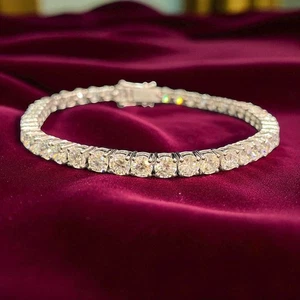 How Much Is a Diamond Tennis Bracelet Worth?
Real or fake, and what drives the price.
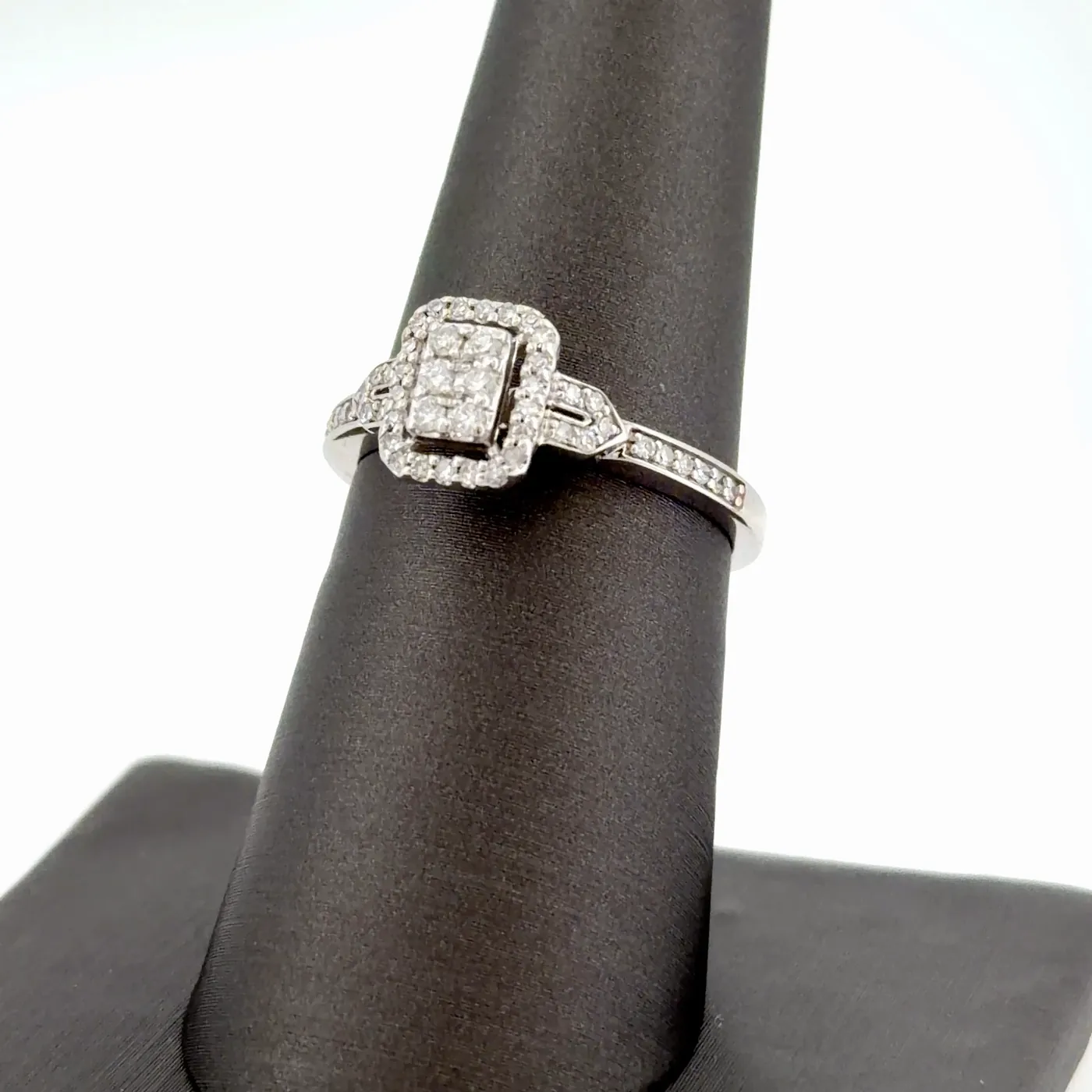 Cluster Diamond Ring Value
Why it looks bigger than it sells.
FAQ
The questions we get asked at the counter most often, including the ones people feel awkward asking.
Getting Here
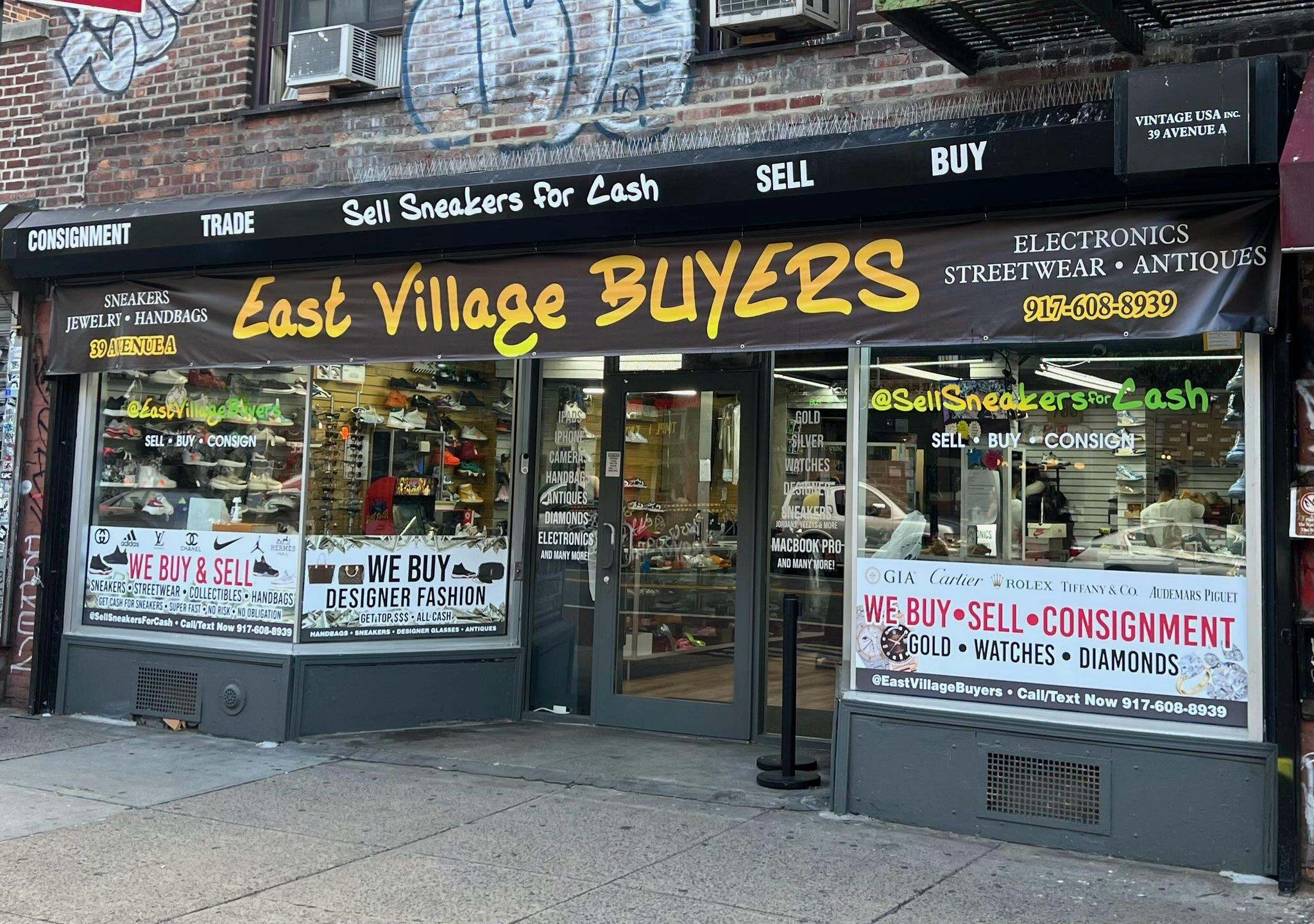
We’re at 39 Avenue A, between 2nd and 3rd Street in the East Village. The F train to 2nd Avenue and the 6 to Astor Place both put you a short walk away, and the L at 1st Avenue is close as well.
People come to us from the Lower East Side, Alphabet City, Greenwich Village, SoHo, Chinatown, and across Manhattan — along with Brooklyn, Queens, and the Bronx. If you’re used to the Diamond District on 47th Street, the difference here is that you’re dealing with one shop and one offer instead of walking a block of competing booths.
Walk-ins welcome. Not sure it’s worth the trip? Text a photo to 917-608-8939 and we’ll give you a rough read before you come in.
39 Avenue A (between E 2nd & E 3rd St), East Village · Walk-ins welcome · Sun 12:30–6 · Mon–Thu 12:30–6:30 · Fri 12:30–4
F train to 2nd Avenue or the 6 to Astor Place, a short walk
We use cookies to improve your experience and analyze site traffic. By clicking "Accept All" you consent to our use of cookies.