
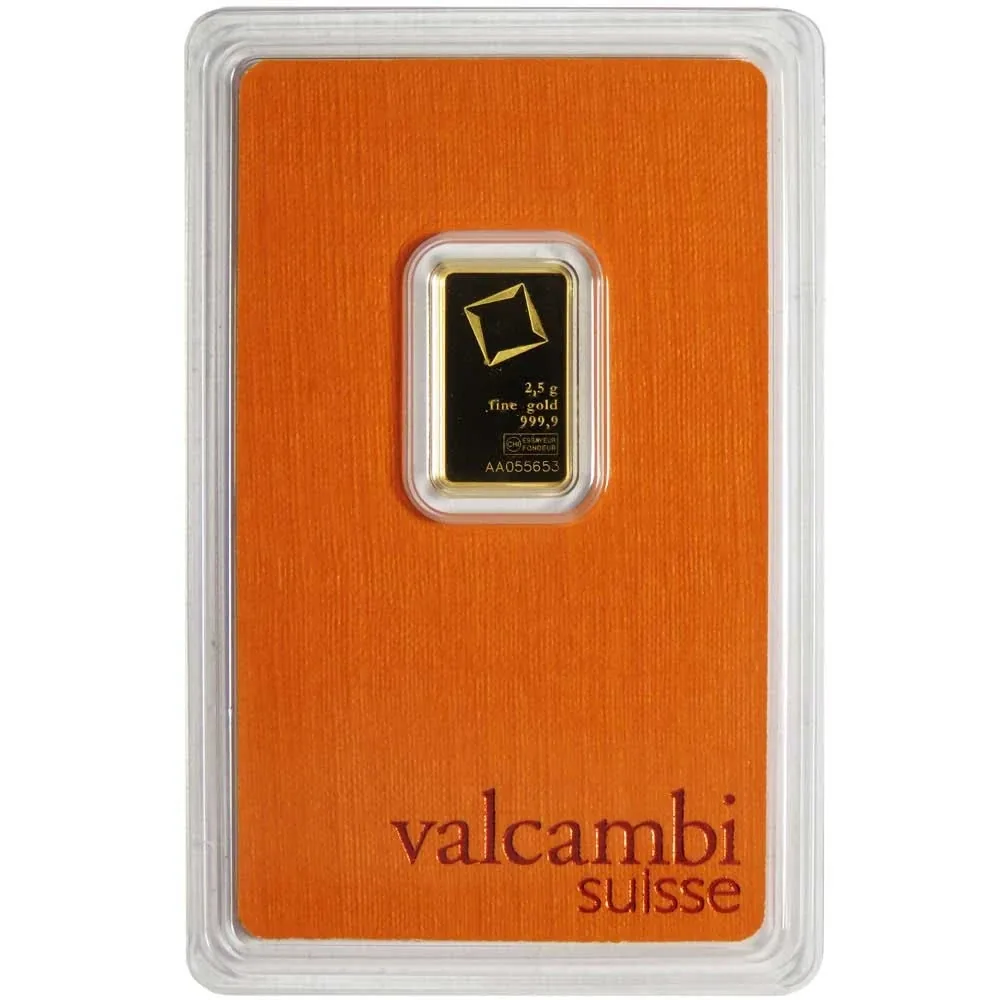
If you've got gold sitting around — a bar tucked in a drawer, coins from a relative, jewelry you don't wear anymore — you've probably asked yourself this exact question: is now the time to cash in, or should you just hold on? With gold prices where they are in 2026, it's a fair thing to lose sleep over. So let's actually talk through it, honestly, without the sales pitch.
Why Everyone's Asking This Question Right Now
Gold has been on a serious run. When an asset sits near record highs, two instincts kick in at the same time: the fear of missing out on selling at the top, and the fear of selling too early and watching it keep climbing. Both of those instincts are normal, and honestly, neither one is wrong. The truth is nobody — not us, not a financial advisor, not the news — can call the exact top of the market. What we can do is help you think through it clearly.
The Case for Selling Your Gold Now
Selling makes the most sense when at least one of these is true for you:
- You have gold you're not using. Broken chains, single earrings, an old ring from a relationship that ended, dental gold, mismatched pieces — none of that is doing anything for you sitting in a jewelry box. Converting it to cash while the price is strong is close to a free decision.
- You need the money more than you need the gold. Gold is not going to pay rent or cover an emergency. If you have a real, immediate need for cash, selling gold sitting at a high price is usually smarter than taking on debt or dipping into other savings.
- You bought it as a short-term hedge. If you picked up gold specifically because you were worried about a specific short-term event — inflation, a market dip, uncertainty — and that concern has settled, it may be time to lock in the gain.
The Case for Holding Onto Your Gold
Holding makes more sense when:
- It's a long-term store of value for you. A lot of people hold gold the way they hold any other long-term asset — not to time the market, but as a hedge against inflation and currency risk over years or decades. If that's your goal, a high spot price today doesn't really change your long-term plan.
- The piece has real sentimental value. A wedding band, a family heirloom, something passed down — the cash value rarely outweighs what it means to you. We'd never tell someone to sell something like that just because the market's hot.
- You don't have an immediate need for the money. If selling isn't solving a real problem for you today, there's no rule that says you have to act just because the price is up. Gold can sit safely for years without losing its underlying value.
Here's the honest, simple way we'd frame it: separate your gold into "gold I use or love" and "gold I don't." The first category, keep. The second category, there's rarely a bad time to turn that into cash — and 2026's prices make it an especially good one.
How Should I Store My Gold?
If you've decided to hold onto some or all of your gold, storing it properly matters just as much as the decision to keep it. Gold doesn't degrade the way other materials do, so the risk isn't damage — it's loss, theft, or simply forgetting where you put it. Here's how to actually do it right:

1. A Home Safe (Fireproof and Bolted Down)
For most people, a good fireproof, waterproof home safe is the simplest option. The key detail people miss: it needs to be bolted to the floor or a wall stud, not just sitting in a closet. A safe that can be carried out the door isn't really a safe. Look for one rated for both fire and water damage, since a house fire is a far more common risk to gold jewelry and coins than most people assume.
2. A Bank Safe Deposit Box
For larger amounts of gold — bars, bullion coins, a serious collection — a bank safe deposit box adds a real layer of physical security a home safe can't match. The tradeoffs: you can only get to it during banking hours, and contents typically aren't covered by FDIC insurance or automatically covered by the bank, so you may want a separate insurance rider for anything valuable.
3. Keep Pieces Separated and Protected
Store rings, chains, and coins separately in soft pouches or lined boxes rather than piled together loose. Gold is soft enough to scratch other gold, and tangled chains are a hassle nobody enjoys untangling later. If you're storing bullion coins, keep them in their original capsules or holders — it protects the surface and preserves authenticity documentation if you ever decide to sell.
4. Don't Keep It Somewhere Obvious
A jewelry box on top of a dresser is the first place anyone looks, whether that's a burglar or, more commonly, movers or houseguests. Keep higher-value pieces out of the obvious spots, and consider splitting a large collection across more than one location instead of concentrating it all in one place.
5. Keep a Simple Record
Take photos of your pieces, note approximate weight and karat if you know it, and keep that list somewhere separate from the gold itself (like a cloud folder or with a family member). It makes insurance claims easier if something ever happens, and it makes life a lot easier if you eventually decide to sell.
Bringing It Back to Your Decision
Save or sell isn't really a market-timing question — it's a personal one. Ask yourself what the gold is actually doing for you right now. If the honest answer is "nothing," 2026's prices make this about as good a time as there's been to change that. If the answer is "it's my long-term hedge" or "it means something to me," then store it properly and let it keep doing its job.
And if you're on the fence about a specific piece, that's exactly what we're here for. Bring it in, we'll test it, weigh it, and tell you what it's actually worth today — no pressure either way.