
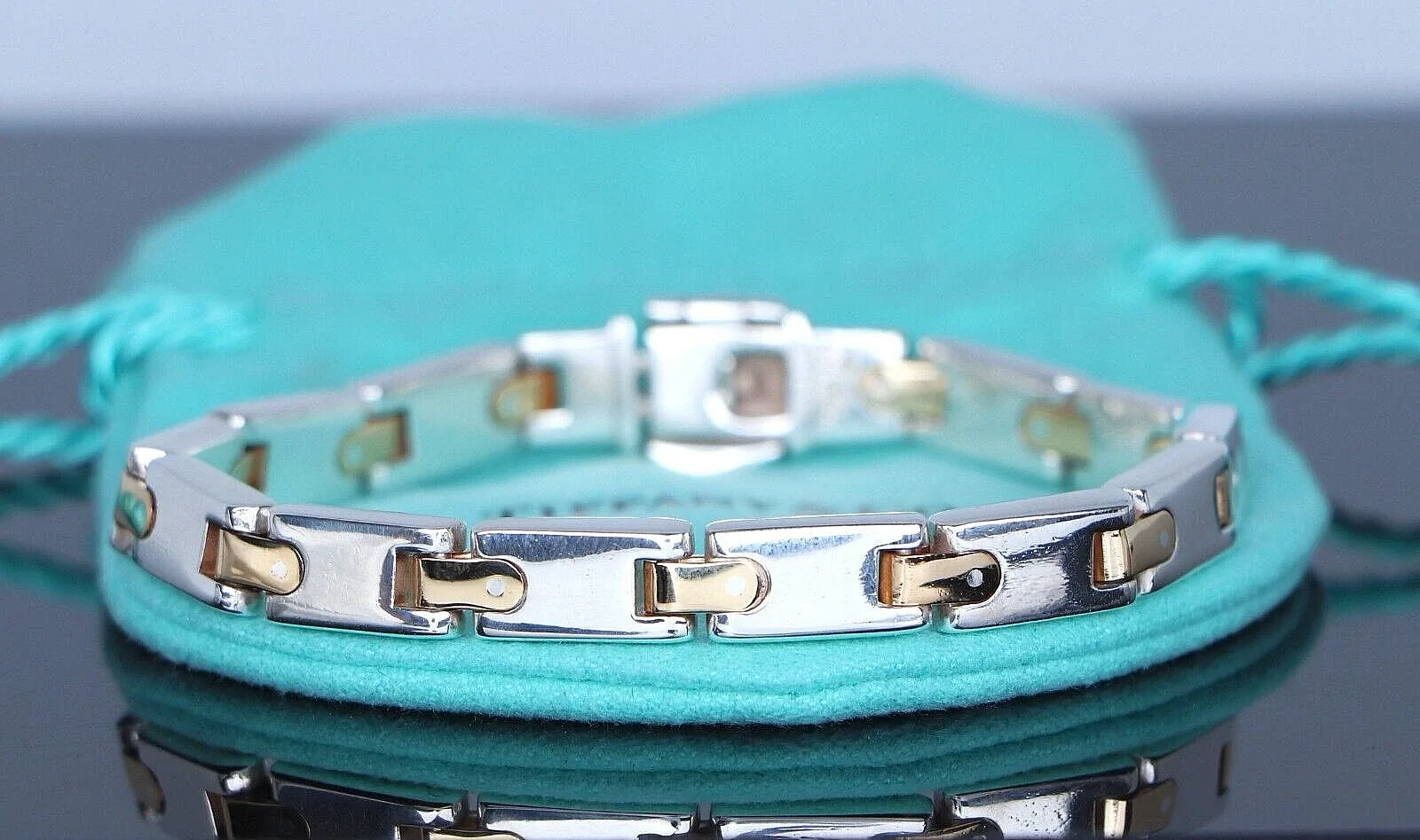
Silver gets called the "poor man's gold," but that nickname undersells it. Ounce for ounce, silver is one of the most in-demand metals on the planet — not just as jewelry, but as a critical industrial material that shows up in your phone, your solar panels, and your car. If you're wondering why silver is so valuable, or what your silver jewelry is actually worth right now, here's the real breakdown.
Silver Is Both a Precious Metal and an Industrial Metal
This is the single biggest reason silver's value works differently than gold's. Gold is mostly hoarded — bars sit in vaults, jewelry gets passed down, and very little of it is ever destroyed. Silver is different. A huge share of the silver mined every year gets used in manufacturing and is essentially gone forever.
- Electronics: Silver is the best electrical conductor of any metal on earth, which is why it's used in circuit boards, switches, and connectors in almost every phone, laptop, and appliance made today.
- Solar panels: Photovoltaic cells rely on silver paste to conduct electricity. As solar demand grows worldwide, so does industrial silver demand.
- Medical use: Silver has natural antimicrobial properties, so it's used in wound dressings, medical equipment, and even water purification.
- EVs and batteries: Electric vehicles use significantly more silver per unit than traditional cars, adding another growing source of demand.
Because so much silver is consumed rather than recycled, the available supply gets tighter every year even as new silver is mined — which puts steady upward pressure on the silver price.
Silver as a Safe-Haven Investment
On top of its industrial uses, silver holds the same "store of value" role that gold does, just at a lower price point per ounce. When inflation rises or markets get shaky, investors buy physical silver and silver-backed assets as a hedge, the same way they buy gold. This dual identity — half industrial commodity, half safe-haven asset — is what makes silver's price move the way it does.
Why Silver Is More Volatile Than Gold
Silver's total market is much smaller than gold's, so the same amount of buying or selling pressure moves the price more dramatically. It also reacts to two different forces at once: factory orders and industrial demand on one side, and investor sentiment on the other. That combination is why silver can swing 3-5% in a single day when gold barely moves.
Limited Supply Is Getting Tighter
Most silver isn't even mined on its own — it's usually a byproduct of mining for copper, lead, and zinc. That means silver production doesn't simply scale up when demand rises; miners can't just "produce more silver" without also digging more of those other metals. Combined with rising industrial consumption, many analysts believe the silver market has been running in a supply deficit for several years running, meaning more silver is being used than is being newly mined.
What This Means for Your Sterling Silver Jewelry
Here's where it gets practical. Sterling silver — stamped 925 — is 92.5% pure silver, with the rest typically copper for strength and durability. That means your sterling silver jewelry is worth roughly 92.5% of the live spot price of silver, multiplied by its weight in grams or ounces. Tarnish doesn't change this number at all — tarnish is just a surface reaction with air, and underneath it the silver content is exactly the same.
At East Village Buyers, we weigh and test every piece of silver in front of you, then calculate your offer against the live spot price at that exact moment. Whether it's rings, chains, bangles, flatware, or coins, if it's real silver, we'll tell you what it's worth before you decide anything.
Silver vs. Gold: Which Should You Sell First?
There's no universal right answer, but here's how we think about it: gold tends to hold value more steadily over time, while silver can spike harder during periods of high industrial demand or investor buying. If silver is having a strong run relative to its historical average, that can be a smart time to sell silver jewelry you're not wearing. Either way, the only way to know what your specific pieces are worth today is to bring them in and let us test and weigh them.