
How Cash and Store Credit Offers Differ
When you bring an item in to sell, a shop will evaluate its secondary market value. If you want cash, the shop is taking on the risk of holding that item until it sells to someone else. They pay you immediately and wait to recover their money. Cash gives you complete freedom to spend your funds anywhere you want, from paying rent to covering daily expenses.
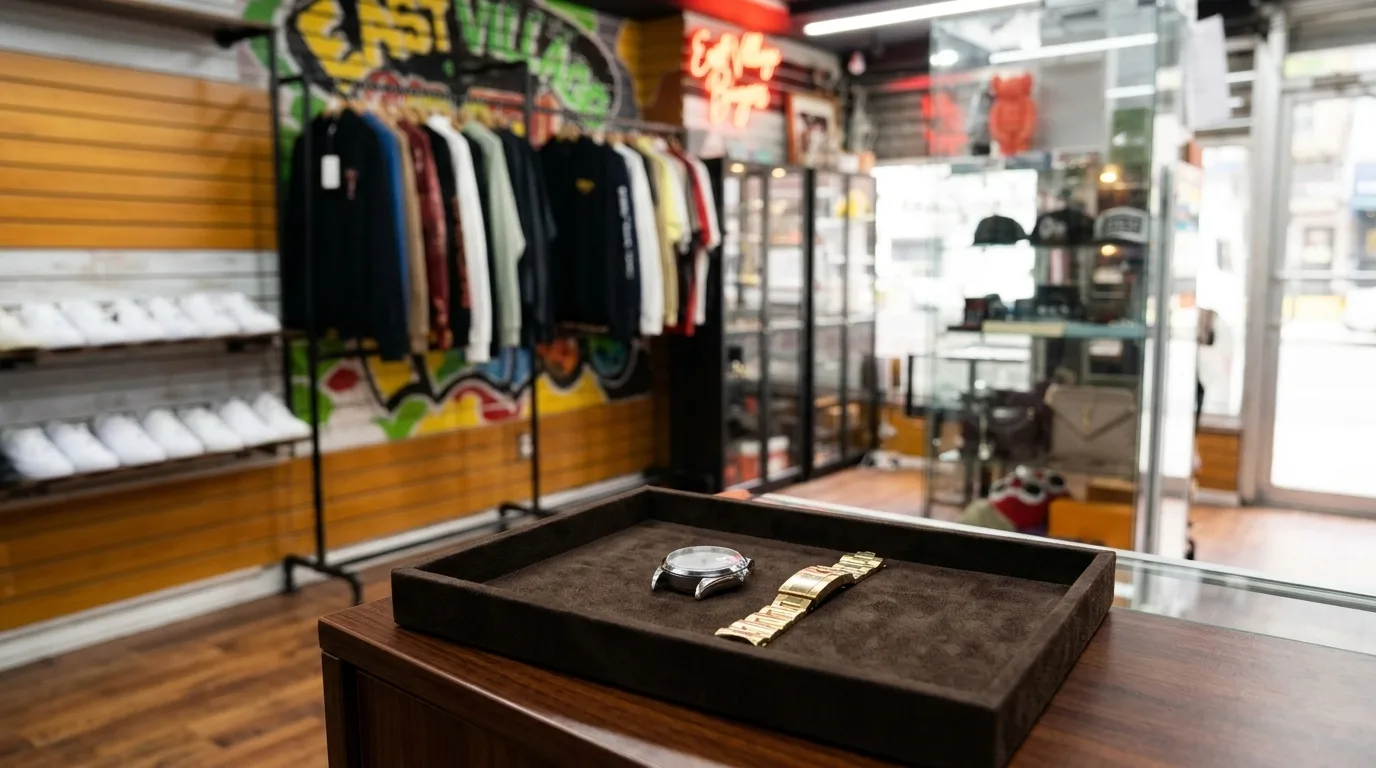
Store credit works differently. Instead of taking money out of the shop's cash flow, you agree to spend your payout back inside the same store. Because the shop keeps the sale within their own business, they often offer a slightly higher dollar amount for trade-in credit than they would for straight cash. Similar to the shop counter pictured in our evaluation room, trading items allows store inventory to move continuously.
Why Shops Offer More for Store Credit
It can feel confusing when a shop quotes two different numbers for the same item. The higher credit number is not a trick. It reflects the lower overhead cost for the business when you choose to trade.
When you accept store credit, the shop effectively sells you another piece of inventory from their shelves. This cuts down their financial risk and helps clear out existing stock. If you already planned on buying something else, taking credit lets you stretch the value of your item further.
Factors to Consider Before You Choose
Deciding between cash and store credit depends entirely on what you plan to do next. Neither option is automatically better for every seller.
If you need immediate funds for bills or personal use, cash is always the right choice. Do not take credit just because the number looks higher on paper if you do not genuinely want anything in the shop.
- Take cash if you need to pay bills, deposit funds, or shop elsewhere.
- Take credit if you are upgrading a watch, sneaker, or jacket for another one in the shop.
- Check if store credit has an expiration date or restricted items before agreeing.
- Ask if you can split the payout between cash and credit if you only want to buy a small item.
How Evaluation Works in Person
Whether you want cash or trade value, the evaluation process starts the same way. An evaluator checks the brand, materials, condition, and market demand for your item. For precious metals, they test purity and weight. For watches or designer gear, they examine wear, authenticity marks, and comparable sales.
Once the item is assessed, you get clear offers without any pressure. You can choose cash, take store credit, or simply walk away with your item. A reliable buyer will explain how they reached their numbers so you can make an informed choice.
Getting an Evaluation in the East Village
If you have items sitting in your closet or safe, you can bring them by for a free walk-in evaluation. You can also text photos ahead of time to get a rough idea of what your item might be worth before making the trip.
East Village Buyers is located at 39 Avenue A in Manhattan. We are a licensed secondhand dealer offering fair cash offers and trade-in options with no obligation to sell.
Frequently Asked Questions
Can I change my mind after choosing store credit?
Once a transaction is completed and finalized, store credit usually cannot be exchanged for cash. Make sure you fully intend to use the credit before completing the deal.
Does store credit at East Village Buyers expire?
Store credit policies vary, but we explain all terms clearly before you agree to any trade. You can ask our staff on-site about current credit details.
Do I need an appointment to get an offer?
No. You can walk into our shop at 39 Avenue A during business hours for a free evaluation, or text us photos first to get started.