
Engagement Rings · East Village
Sell an Engagement Ring in NYC
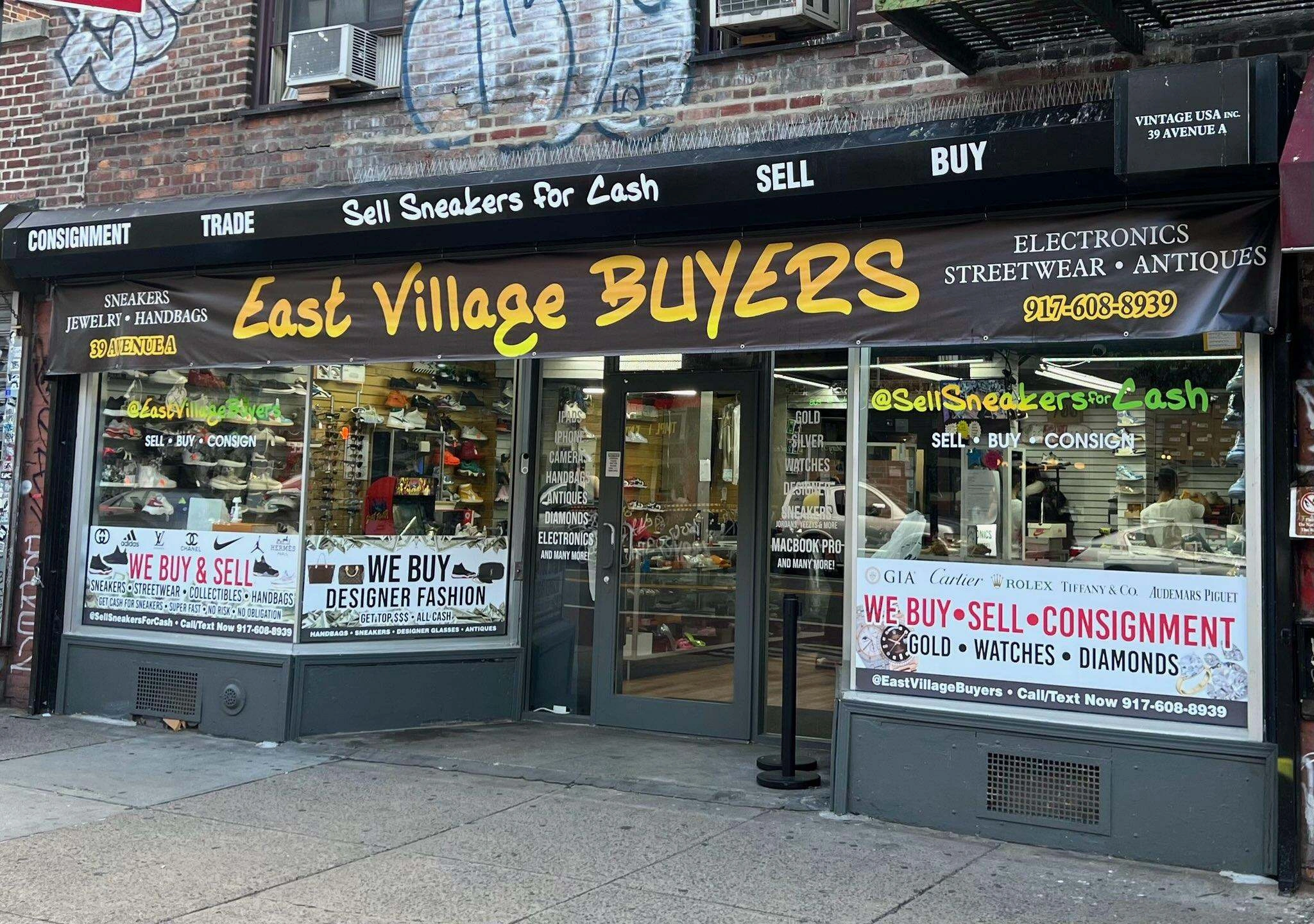
No story required and nobody here will ask for one. We value the centre stone, the side stones and the metal in the setting separately, show you each number, and pay cash the same day at 39 Avenue A.
First Thing
Nobody Will Ask Why
Rings come across this counter after divorces, after breakups, after upgrades, and after somebody passes away. We have seen all of it and none of it changes the number. You will not be asked to explain yourself, and you will not get a sympathetic speech either. It is a transaction and we keep it that way.
If you would rather do it quietly, come on a weekday afternoon when the shop is slower. You can also text photos first so you know roughly where you stand before you make the trip.
How It Breaks Down
Three Numbers, Not One
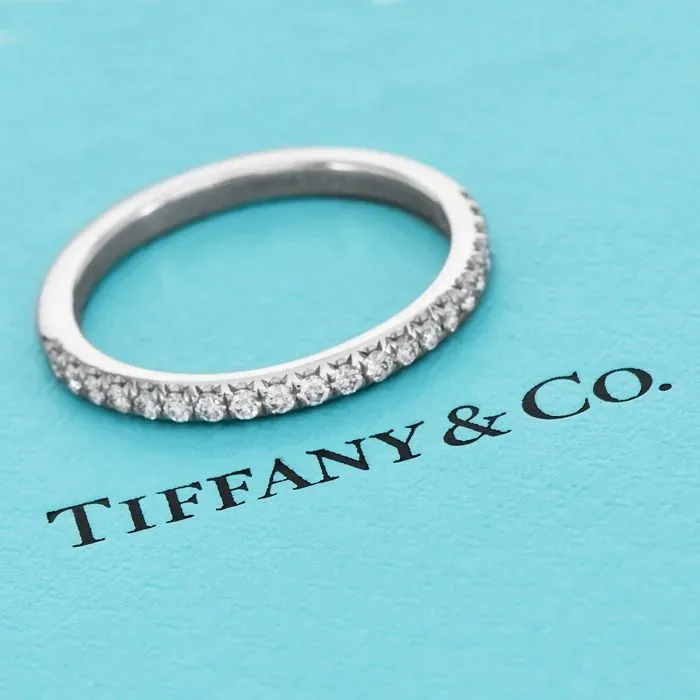
Most people expect a single figure for the ring. What we actually do is price three things and add them together, and you see each part.
The centre stone is usually where most of the value sits, and it is graded on its own merits regardless of what the ring looks like.
Side stones — the pavé along the band, a halo around the centre, channel-set baguettes — get valued as a group by total weight. Individually they are small, but on a heavily set ring they add up.
The setting is a piece of gold or platinum with a weight, and it is worth its metal content. A platinum head on a white gold shank is common and the two get weighed separately.
Centre stone
Graded on its own merits — cut, colour, clarity and carat — regardless of what the rest of the ring looks like.
Side stones
Pavé, halo and channel-set baguettes valued as a group by total weight. Small individually, meaningful on a heavily set ring.
The setting
Gold or platinum with a real weight. A platinum head on a white gold shank is common and the two are weighed separately.
The Big Question
Appraisal vs. Resale Value
This is the single most common source of friction, and it is worth understanding before you walk in, because it is not anybody being dishonest.
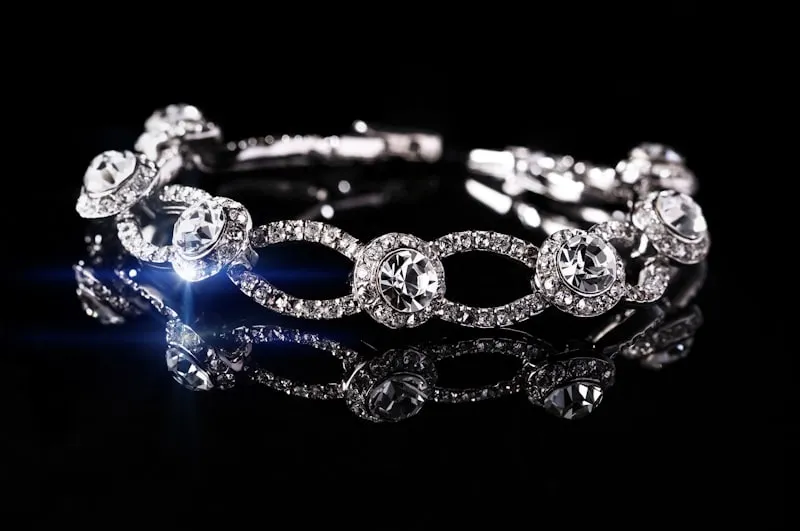
An insurance appraisal states replacement value — what it would cost to walk into a retail jeweller tomorrow and buy a comparable ring new, at full retail markup, with the store's overhead and margin baked in. That document exists so your insurer knows what to pay out. It was never a statement of what the ring would fetch if you sold it.
A resale offer is a different measurement entirely. It reflects what the stone and metal are worth on the secondary market today. The gap between those two numbers is normal and it is large. Anyone quoting you close to the appraisal figure is either not buying the ring or not being straight with you.
An insurance appraisal states what a retail jeweller would charge to sell you a comparable ring new, with markup and overhead included. It exists so your insurer knows what to pay out. A resale offer measures what the stone and metal are worth today. The gap is normal and it is large.
Paperwork
Certificate or Not
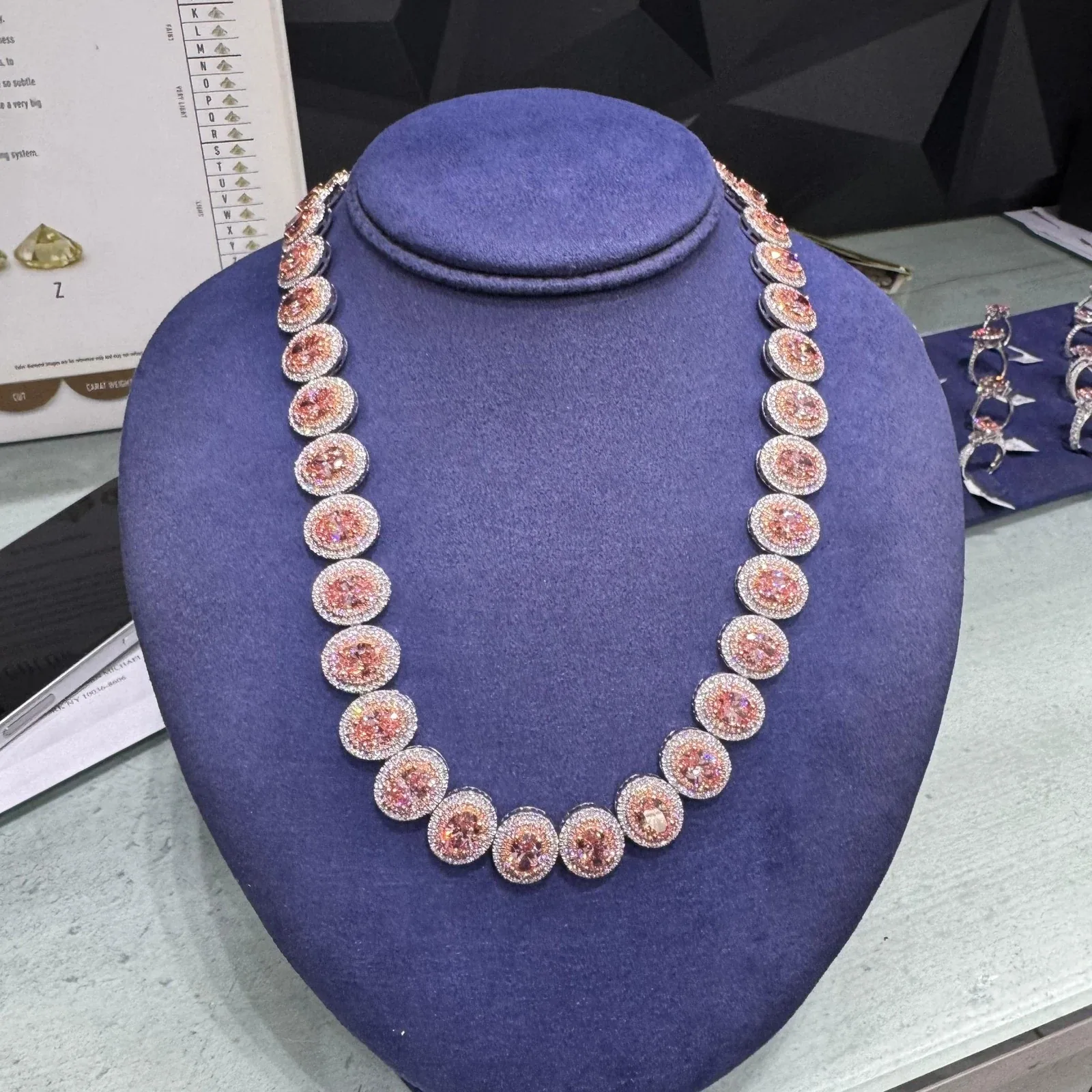
A GIA or IGI report speeds the conversation up because the grading argument is already settled. It is not required. We grade the stone ourselves at the counter either way, and you watch that happen.
If your ring came with paperwork years ago and it is long gone, that is genuinely fine. If the stone turns out to be lab-grown when you were told it was natural — which happens more than people expect — we will tell you plainly rather than quietly adjusting the number downward.
Before You Come
What Actually Helps
Bring the ring and a valid government-issued ID. New York law requires the ID for this kind of transaction, so there is no way around it.
Bring the certificate and the original box if you still have them, particularly for a branded piece — Tiffany, Cartier and similar houses carry a premium above stone value when the piece is verifiably theirs.
Do not get the ring cleaned or polished first. It makes no difference to what we pay, and on an older ring aggressive polishing can actually remove detail worth money.