
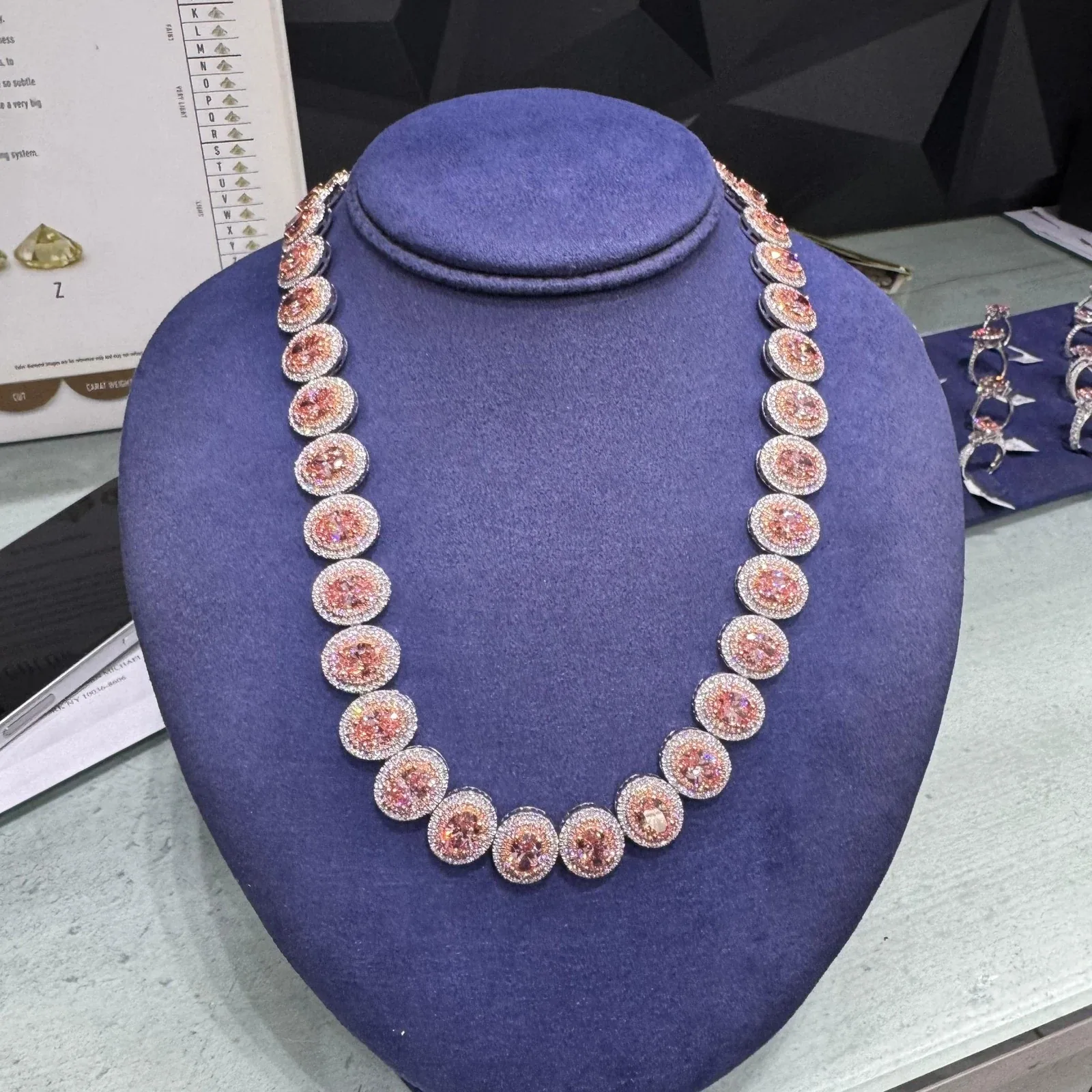
Lab-grown diamonds have taken over a huge share of new engagement ring sales, and it's easy to see why — they're chemically identical to natural diamonds and cost a fraction of the price. But that same production growth has created a real divide in how the two behave once you try to sell them.
Same Material, Very Different Market
A lab-grown diamond and a natural diamond are both, chemically, crystallized carbon. Under a standard jeweler's loupe, you often can't tell them apart — identifying one requires specialized equipment that reads growth patterns invisible to the naked eye. But identical composition doesn't mean identical value, because value in diamonds has always been tied to scarcity, and lab-grown production has essentially eliminated that scarcity.
Why Lab-Grown Prices Have Fallen So Fast
As more producers entered the market and manufacturing got more efficient, lab-grown diamond prices dropped sharply, and they've kept dropping. That's great news if you're buying one new. It's tough news if you're trying to resell one, because the diamond you paid retail for a few years ago now competes against newer, cheaper lab-grown supply. Resale prices for lab-grown stones typically land at a small fraction of original retail cost.
Why Natural Diamonds — Especially Fancy Colors — Hold Up Better
Natural diamonds are finite. Every one that exists came out of the ground, and no amount of demand can manufacture more of a specific rare stone. That scarcity is even more pronounced with natural fancy color diamonds — pinks, yellows, blues — which form under unusual geological conditions and represent a tiny fraction of all diamonds mined. A necklace like the one pictured, set entirely with natural fancy color stones, carries real, durable demand that a lab-grown equivalent simply doesn't have.
How to Tell What You Actually Have
The only reliable way to know is a lab report. GIA grades both natural and lab-grown diamonds, but the report clearly states which one you're looking at, and lab-grown stones are laser-inscribed on the girdle with a disclosure — this is required by law in the U.S. If you have paperwork, check it closely. If you don't, we can identify the stone using the same equipment gemological labs use before making an offer.
What This Means If You're Selling
If your piece is natural, especially with strong color, clarity, or a notable carat weight, it's likely to hold meaningful resale value and is worth bringing in for an evaluation. If it's lab-grown, we'll still make an offer, but it's worth going in with realistic expectations about where lab-grown resale pricing currently sits.