
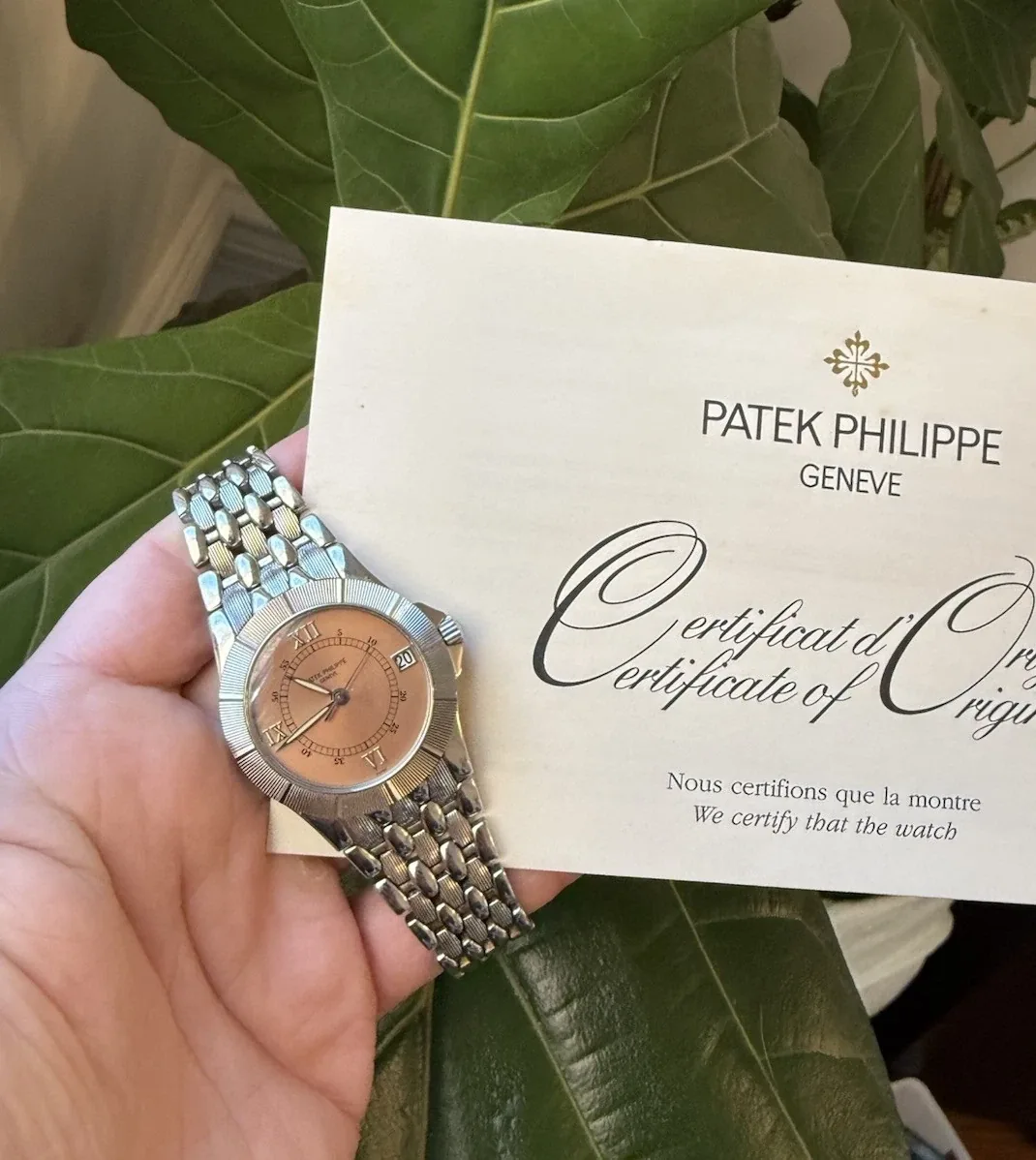
High demand for luxury watches means fakes are everywhere on the resale market, and some are convincing enough to fool a quick glance. Here's what to actually check before you pay resale price.
Check the Weight and Movement
Genuine luxury watches use solid precision components and feel noticeably heavier than a replica of the same size — this alone catches a large share of fakes within seconds of picking one up. Watch the second hand closely too: a genuine automatic movement sweeps smoothly, while a cheap quartz movement standing in for an automatic ticks in distinct steps.
Look at the Details Under Magnification
Font weight, letter spacing, and the crispness of any printing on the dial are hard for replicas to get exactly right. Case engravings, especially on the caseback or between the lugs, are another common giveaway — genuine engravings are sharp and consistent, while replica engravings often look shallow or slightly uneven.
Papers, Serial Numbers, and Service Records
If papers are present, the serial number on the case should match what's printed on the paperwork. A mismatch, missing serial, or a serial that's been visibly altered are all red flags worth stopping on. Service records, if available, also help confirm a watch's history and ownership chain.
Why Buying From a Trusted Local Dealer Matters
Weight, movement, printing, and serial numbers are all things we check in person before every purchase — which is exactly why buying resale through a dealer who authenticates on the spot is safer than buying sight-unseen online.