
Not every luxury watch holds its value the same way, and "luxury" on the price tag doesn't automatically mean strong resale. Brand, model, condition, and what's in the box all move the number more than people expect. Here's what actually drives the price.
What Actually Drives a Watch's Resale Value
Four things matter most: the brand and model's demand, the condition of the case and movement, whether you have the box and papers, and how recently it's been serviced. A steel sports model in excellent condition with a full set will always outprice the same watch missing its accessories or showing heavy wear.
Which Brands Hold Value Best
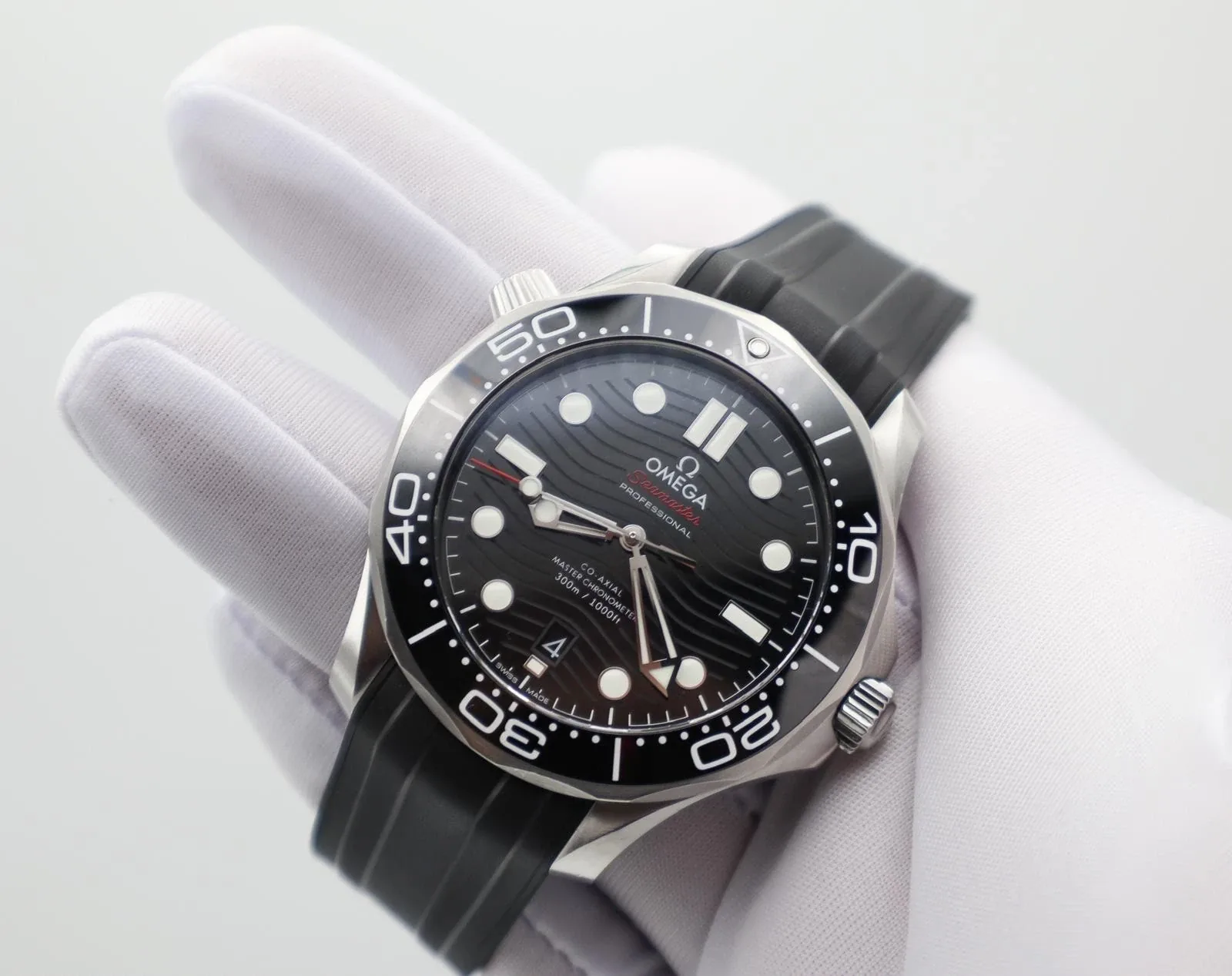
Steel sport references from Rolex and Patek Philippe are in a category of their own — strong demand keeps them holding steady or even above retail in some cases. Omega, Tag Heuer, and Grand Seiko depreciate from retail but hold their value far better than fashion or quartz watches, especially in popular models like the Seamaster or the GMT lines. Fashion and mall-brand watches lose the most value the fastest.
Box, Papers, and Original Accessories
A full set — original box, papers, warranty card, and any extra links — brings the strongest offer because it confirms authenticity and completeness at a glance. A watch without them isn't worth nothing; it just gets evaluated more closely on the case, movement, and any serial numbers present.
Condition and Service History
Deep scratches on the case, an over-polished bracelet, or a movement overdue for service all bring the price down. Light wear on the crystal or clasp matters far less than the mechanical condition of the watch itself — that's what we check first.
Getting the Best Price on Your Watch
Bring the watch in as-is, with the box and papers if you have them. We check the case, movement, and any serial numbers on the spot and give you a cash offer based on current market demand for that model.