
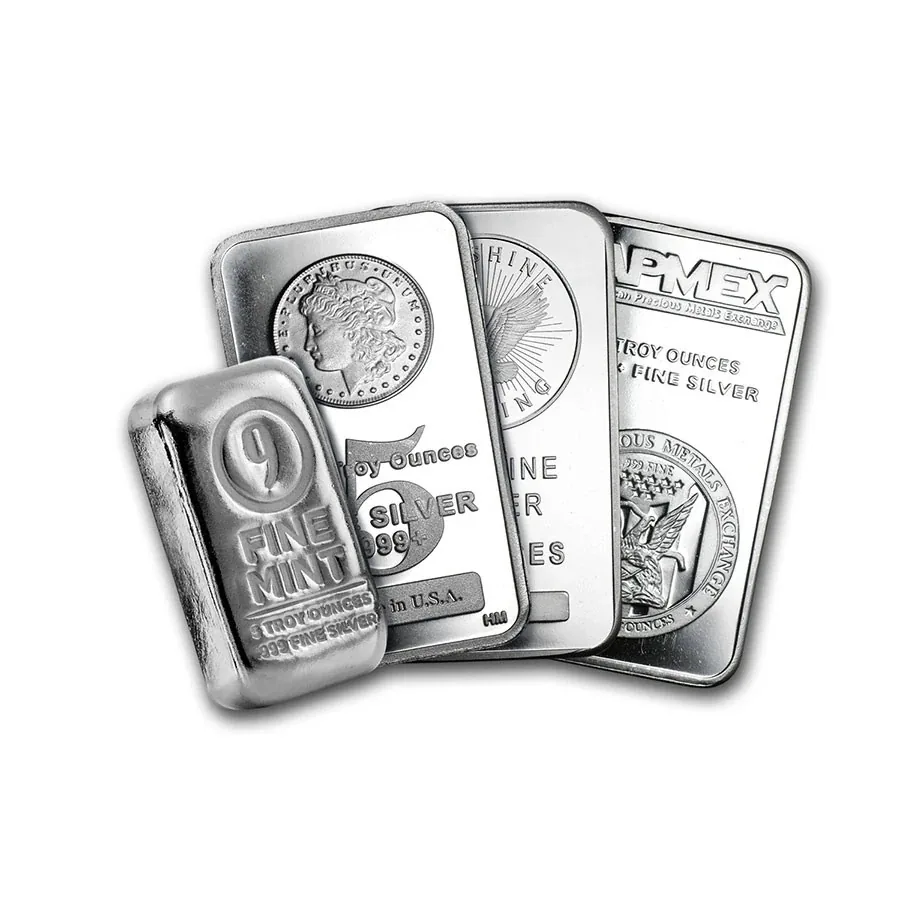
Grandma's flatware, a tarnished bracelet, a stack of old coins — silver shows up in the strangest places, and it's not always obvious whether it's solid, plated, or something else entirely. Before you sell it (or toss it thinking it's junk), it's worth knowing how to actually test it.
Here are six methods, ranked roughly from "good starting point" to "as accurate as it gets without lab equipment."
1. Check for a Hallmark Stamp
Flip the piece over and look for tiny stamped numbers or letters, usually near a clasp or on the underside. Common marks include:
- 925 or Sterling: 92.5% pure silver, the industry standard for jewelry and flatware.
- 800 or 900: European or coin silver, 80–90% pure.
- Silver Plate, EPNS, or A1: A thin layer of silver over a base metal — not solid silver.
A hallmark is a good clue, but it isn't proof. Stamps can wear down, be forged, or occasionally get applied to plated pieces. Treat it as step one, not the final word.
2. Try the Magnet Test
Silver is not magnetic. Hold a strong magnet (a standard fridge magnet usually isn't strong enough — use a rare-earth magnet if you have one) near the item. If it's pulled toward the magnet, it's not solid silver.
This test is great for ruling items out, but a non-magnetic result doesn't automatically confirm silver — plenty of non-magnetic metals exist too. It's a filter, not a final verdict.
3. Run the Ice Test
Silver is one of the best thermal conductors of any metal, so it transfers heat (and cold) unusually fast. Place an ice cube directly on the item and on a piece of known real silver (or another metal) side by side. If your item melts the ice noticeably faster, that's a good sign. If it melts slowly, be skeptical.
4. Do a Careful Acid Test
Jewelers use nitric acid test kits to check purity: a small file mark is made on an inconspicuous spot, and a drop of acid is applied to see how the metal reacts. Different reagent strengths correspond to different purity levels (.925, .800, etc.), and the color change tells you roughly what you're holding.
This works, but it's also the riskiest DIY method — nitric acid is corrosive, the file mark can visibly damage a piece, and misreading the color chart is easy for a first-timer. If you go this route, use proper ventilation, gloves, and eye protection, and test in an unobtrusive spot.
5. Weigh It and Check the Sound
Silver is denser than most look-alike metals, so a piece that feels surprisingly heavy for its size is a good sign. Real silver also tends to produce a clear, ringing tone when tapped gently against another hard metal object, while base-metal fakes often sound duller or flatter. Neither test is precise on its own, but combined with the others, they add useful evidence.
6. Use a Professional Electronic Verifier
The most accurate non-destructive method is an electronic conductivity tester, like a Sigma Metalytics Precious Metal Verifier. It reads the item's electrical conductivity and compares it against known signatures for sterling, coin silver, and common fakes — all without filing, cutting, or applying acid to the piece.
This is the same equipment reputable buyers use at the counter, and it's the closest you'll get to lab-grade accuracy without sending a sample out for assay.
The Bottom Line
No single home test is bulletproof. Stack a few of them — hallmark, magnet, ice, weight — and you'll get a pretty reliable read on whether something is worth pursuing further. But if you're actually planning to sell, skip the guesswork: bring it in and let a professional verifier settle it in seconds, for free, with zero risk to your piece.