
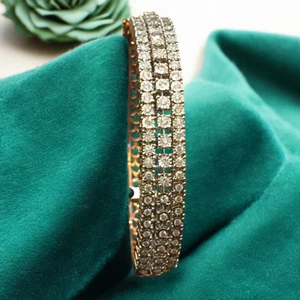
For most gold and diamond jewelry, the safest way to clean it at home is a soak in warm water with a few drops of mild dish soap, a gentle scrub with a soft toothbrush, a rinse, and a dry with a lint-free cloth. Skip toothpaste, baking soda, bleach and harsh cleaners. Be careful with ultrasonic machines too, which can damage some gemstones and loosen stones in worn settings.
How to Clean Gold and Diamond Jewelry, Step by Step
- Mix the solution. Fill a small bowl with warm, not hot, water and add a few drops of mild dish soap.
- Soak. Let the jewelry sit for 15 to 20 minutes to loosen lotion, soap and skin oils.
- Brush gently. Use a soft toothbrush, paying attention to the back of the stones and around the prongs, where buildup dulls a diamond's sparkle.
- Rinse carefully. Rinse under warm running water with the sink drain closed, or in a second bowl of clean water, so nothing goes down the drain.
- Dry. Pat dry with a soft, lint-free cloth and let it air-dry completely before putting it away.
That's all a bangle like the one pictured, or a ring, chain or pair of earrings, usually needs.
What Not to Use on Jewelry
- Toothpaste and baking soda — both are abrasive and leave fine scratches in gold and platinum.
- Bleach and chlorine — can discolor and weaken gold alloys over time. Take jewelry off before swimming pools and hot tubs.
- Harsh household cleaners — ammonia-heavy or acidic products can damage many gemstones, pearls and plated finishes.
- Paper towels and tissues — their fibers can scratch polished metal. Use a soft cloth.
Are Ultrasonic Cleaners Safe for Jewelry?
Ultrasonic cleaners are generally safe for solid gold and diamonds in secure settings. The vibration that shakes dirt loose can also loosen stones that are already held by worn prongs, so check the settings first.
Keep these out of ultrasonic cleaners and steamers:
- Emeralds — vibration and heat can push out the oil used to treat them. See our emerald guide.
- Glass-filled rubies — the glass filling is fragile. More in how to tell if a ruby is real.
- Pearls, opals, turquoise, coral and amber — soft or porous materials that can crack, dull or discolor.
- Fracture-filled diamonds and any stone with visible cracks.
- Gold-plated and costume jewelry — the thin plating can come away.
Cleaning Jewelry With Gemstones and Pearls
Hard stones like diamonds, sapphires and natural rubies handle the soap-and-water method well. Emeralds can be cleaned the same way, but gently and with lukewarm water, never heat. Pearls are the exception: wipe them with a soft, slightly damp cloth after wearing, never soak them, and let them dry flat. Opals shouldn't be soaked either.
Cleaning Silver and Gold-Plated Jewelry
Sterling silver tarnishes, and a silver polishing cloth is the easiest fix for light tarnish. Gold-plated pieces need the gentlest care of all, since scrubbing wears the thin plating away. Not sure what yours is? Our guide to what jewelry stamps mean will tell you.
Check Your Jewelry While You Clean It
Cleaning is a good moment to look for problems before they become losses:
- Loose stones — hold the piece near your ear and tap it gently. A rattle or a stone that moves needs a jeweler.
- Worn or bent prongs — prongs that snag on fabric are often thin.
- Thin ring bands — old rings can wear thin at the bottom of the shank.
- Clasps — make sure bracelet and necklace clasps close firmly.
Should You Clean Jewelry Before Selling It?
A light clean with soap and water helps, because it lets the stones and stamps be seen clearly. Don't polish heavily or use chemicals, and don't try to clean up antique pieces, where the original finish can matter. If you're getting ready to sell, here's what to expect for diamond necklaces and engagement rings.
Frequently Asked Questions
Can I clean my diamond ring with toothpaste?
No. Toothpaste is abrasive and leaves fine scratches in gold and platinum, and it can dull softer stones. Warm water, mild dish soap and a soft toothbrush clean a diamond ring safely.
How often should I clean my jewelry?
Rings and bracelets worn every day benefit from a gentle soap-and-water clean every couple of weeks, and from a jeweler checking the prongs and settings about once a year.
Is vinegar safe for cleaning gold?
A brief soak in diluted vinegar will not hurt solid gold, but it is not needed, and acids can damage pearls, emeralds, opals and other sensitive stones. Mild dish soap is safer for pieces with gemstones.
Do ultrasonic cleaners damage diamonds?
They are generally safe for diamonds in secure settings, but the vibration can loosen stones in worn settings, and ultrasonic cleaning can damage fracture-filled diamonds and many colored gemstones.