
Compare · Pawn Loans
Pawn or Sell? How Pawn Loans Work in New York
Short answer: pawn it if you want the item back and you're sure you can repay soon. Sell it if you don't plan to buy it back. New York lets pawnbrokers charge up to 4% a month, and a loan you don't repay ends with the item being sold. Here is how it works under state law, as published in November 2026.
- Same-day cash
- Checked in front of you
- Walk-ins welcome
- Trade toward store stock
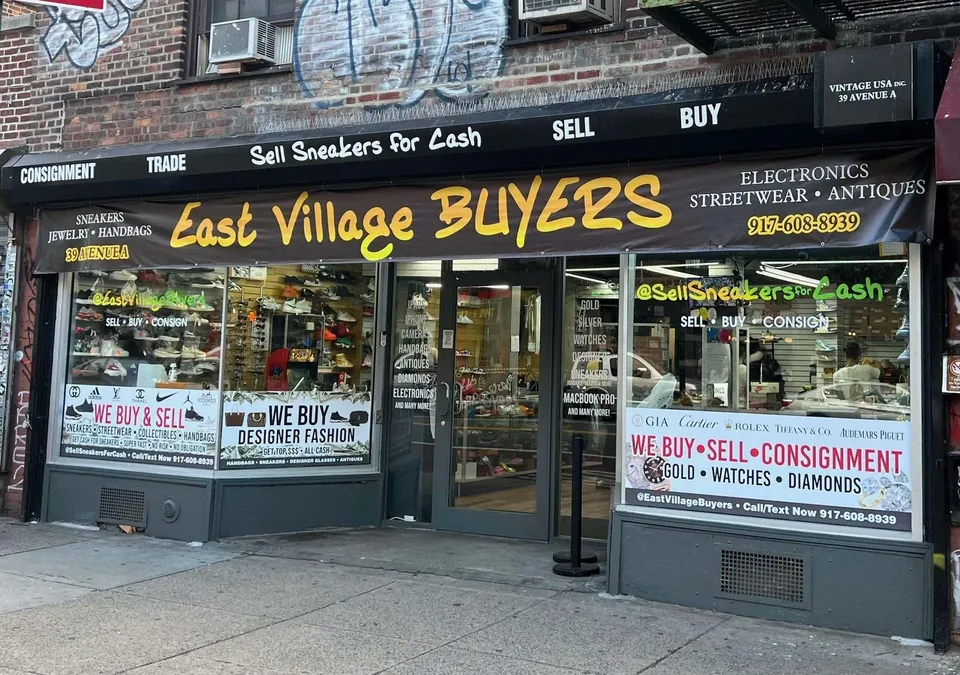
The Basics
How a Pawn Loan Works
A pawn loan is a loan secured by something you own. You leave the item with a licensed pawnbroker and walk out with cash and a pawn ticket.
1. You leave the item
The pawnbroker holds it as collateral and lends you money against it. In New York City, pawnbrokers are licensed and bonded through the Department of Consumer and Worker Protection.
2. Interest runs monthly
New York allows up to 4% a month, and a part of a month can be charged as a full one. The shop must post its rates where you can see them.
3. You repay, you get it back
Pay back the loan plus interest and the item is yours again. Ask what the payoff will be at each month before you sign.
4. If you don't repay
After the shop has held it for four months, and at least 30 days after mailing you notice, it can sell the item. If the sale brings more than you owe plus allowed costs, the extra is yours.
New York Law
What New York Allows a Pawnbroker to Do
Pawnbrokers, called collateral loan brokers in the statute, are regulated by Article 5 of the New York General Business Law. These are the rules that matter most when you borrow.
| Rule | What the law says | Section |
|---|---|---|
| Interest cap | No more than 4% per month, or any fraction of a month. The cap applies even where a local law says otherwise. | §46 |
| Minimum charge | A minimum interest charge of 25 cents a month is allowed. | §46 |
| Posted rates | Rates must be displayed conspicuously in the shop. | §46 |
| Interest limit | No interest or charges for more than 15 months from the date of the loan. If you directly ask for an extension, up to 15 months from the extension. | §46 |
| Holding period | The item can't be sold until it has been in the pawnbroker's possession for four months. | §48 |
| Notice of sale | Written notice, mailed to the address you gave when you pawned it, at least 30 days before the sale. | §49 |
| How it's sold | Each item on its own, at a public auction run by a licensed auctioneer or a commercially reasonable private sale. | §48 |
| Money left over | Anything above the loan, interest and allowed costs is yours. The pawnbroker must mail you notice within 30 days of the sale, and you have one year to claim it before it goes to the State Comptroller. | §50 |
| License | Pawnbrokers must be licensed and post a $10,000 bond. In NYC, the license comes from the Department of Consumer and Worker Protection. | §41 |
Sources: the General Business Law sections linked above, on the New York State Senate site, plus NYC's pawnbroker license and pawnbroker complaint pages. As published in November 2026. This is a plain-English summary, not legal advice. Your pawn ticket and the shop's posted rates set the terms of your loan.
Worked Example
What a $1,000 Loan Costs at the 4% Cap
Shops can charge less than the cap, so ask. At the legal maximum, a $1,000 loan costs $40 in interest for each month or part of a month.
| You repay after | Interest at 4% a month | Total to get it back |
|---|---|---|
| 1 month | $40 | $1,040 |
| 2 months | $80 | $1,080 |
| 4 months | $160 | $1,160 |
| 6 months | $240 | $1,240 |
| 12 months | $480 | $1,480 |
4% a month is 48% a year in simple interest. Because a part of a month can be charged as a full month, repaying on day 35 can cost two months of interest. If you don't plan to buy the item back, a loan only delays the same outcome, and the interest and sale costs come out of anything left over. Selling gets you a finished deal today, with nothing to repay.
Before You Sign
Five Things to Ask at the Pawn Counter
A pawn loan can be a sensible tool. These questions make sure you know its real cost.
- The monthly rate
- Ask the rate and whether a part of a month is charged as a full month. The cap is 4%; a shop may charge less.
- The payoff at each month
- Ask for the total to redeem at 1, 2 and 4 months, so you see the cost in dollars, not percent.
- Other charges
- New York law lets auction costs, advertising and lawful extra care charges come out of a sale. Ask what could apply to your item.
- Your address
- Notice of a sale is mailed to the address you give when you pawn. If you move, tell the shop in writing so any surplus notice reaches you.
- The license
- NYC pawnbrokers are licensed by the Department of Consumer and Worker Protection. If a shop sells goods before the date on your pawn ticket, you can complain through 311.
The Honest Answer
When a Pawn Loan Makes Sense
A loan is the right tool when you want the item back and the cash need is short.
- It's a family piece or something you'd never replace
- You need cash for weeks, not months, and you know where the repayment is coming from
- The interest for that time is a price you're willing to pay to keep it
- You've compared the loan amount and payoff at more than one licensed shop
Sell Outright
When Selling Makes More Sense
If you don't plan to buy it back, a loan mostly adds interest and a wait.
- You don't plan to buy it back
- You can't see where the repayment would come from in the next few months
- You want a sale that's finished today, with nothing to repay
- You have several things to sell at once, like gold, a watch, sneakers or a phone
- You'd rather trade toward something in our store
Gold and Jewelry
Pawning or Selling Gold
With gold, the metal sets a floor under any loan or sale, and that floor is public. Check today's gold price per gram before you talk numbers with anyone.
If you've decided to sell, our guide to selling gold in NYC compares the Diamond District, pawn shops, mail-in buyers and neighborhood shops like ours. If you're thinking about mailing gold away, read what happens when a mail-in gold dealer goes under first.